White Goods Recycle in London: A Practical Local Service for Homes, Landlords, and Businesses
If you need White Goods Recycle in London, you’re probably looking for a simple, responsible way to remove bulky appliances without the stress of lifting, transporting, or figuring out where they can legally go. Whether you’re replacing a single fridge in a flat, clearing several broken appliances from a rental property, or arranging disposal for a commercial kitchen, a local team can make the whole process easier. London homes and workplaces come with their own challenges: narrow stairwells, controlled parking zones, basement kitchens, and limited loading space. That’s why a dedicated white goods collection and recycling service is often the most practical option.
White goods recycling is not just about getting rid of unwanted items. It is about handling appliances safely, separating recyclable materials, and making sure anything that can be reused, recovered, or processed correctly is dealt with in the right way. From washing machines and tumble dryers to dishwashers, ovens, freezers, and fridges, these items are heavy, awkward, and often contain materials that need careful handling. A reliable local service helps you clear space quickly while keeping the process compliant and environmentally responsible.
For customers across London, the real value of a local collection team is convenience. You do not have to hire a van, recruit extra help, or waste time at a civic amenity site. Instead, your appliances are collected from the property and taken for responsible recycling or disposal. That matters whether you live in a Victorian terrace, a modern apartment block, a converted warehouse, or manage a high-traffic commercial site.
Why white goods recycling matters in London
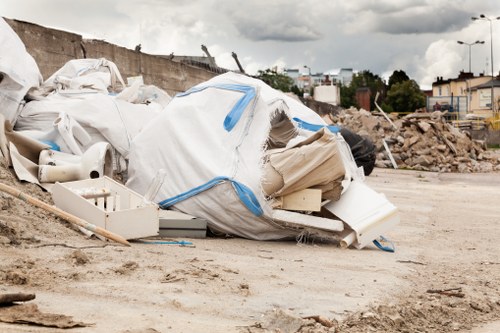
London generates a huge amount of bulky appliance waste every day, and white goods need more care than ordinary rubbish. Items such as refrigerators and freezers often contain gases or components that should be handled properly, while older machines can include metals, wiring, plastics, and sometimes damaged parts that make lifting unsafe. Responsible recycling helps reduce the amount of material going to landfill and supports safer, cleaner disposal practices.
For residents, landlords, and businesses, recycling white goods can also help keep properties tidy and usable. A broken fridge taking up space in a narrow kitchen can be more than an inconvenience; it can affect storage, safety, and day-to-day living. In rental properties, old appliances left behind after a tenancy changeover can delay viewings or refurbishment work. In business settings, outdated equipment can get in the way of operations, stock movement, or compliance with building management rules.
London’s housing and business landscape makes appliance removal more complicated than many other places. Parking permits, one-way streets, restricted access times, stair-only buildings, and lift size limitations all affect how collection needs to be planned. A local white goods recycling service understands these practical issues and can work around them more effectively than a generic transport option.
What counts as white goods?

White goods generally refers to large household appliances used in kitchens, utility rooms, or laundry areas. These are the items most people find hardest to move and dispose of safely on their own. If you are unsure whether your item qualifies, it usually helps to think of anything bulky, electrically powered, and awkward to carry.
Common items collected for white goods recycling in London include:
- Fridges and fridge freezers
- Chest freezers and upright freezers
- Washing machines
- Tumble dryers
- Dishwashers
- Electric ovens and cookers
- Microwaves and smaller kitchen appliances in some cases
- Extractor fans and similar bulky household units where relevant
Some appliances may need special handling because of weight, condition, or built-in fittings. For example, integrated appliances can be harder to remove from fitted kitchen units, and older refrigeration units may require more careful processing. If you have several items at once, or a mixed load of appliances plus other bulky waste, a local collection team can often plan the removal efficiently in one visit.
Who uses a white goods collection service in London?
This service is used by a wide range of customers across the city. The needs of a homeowner in a maisonette in Walthamstow are very different from those of a facilities manager in Canary Wharf or a landlord in Clapham, but the core need is the same: get heavy appliances removed without hassle.
Typical customers include:
- Homeowners replacing old or broken appliances
- Tenants who need an item removed before moving out
- Landlords preparing a property for new occupants
- Estate agents managing clearances between tenancies
- Restaurants, cafes, and takeaways upgrading kitchen equipment
- Offices and commercial premises removing kitchen appliances from staff areas
- Property managers dealing with building-wide appliance replacements
In many cases, the customer does not just want disposal; they need timing, flexibility, and careful handling. A washing machine on the third floor of a building with no lift is a very different job from a fridge on a ground-floor loading bay. A good local team understands how to adapt to each location and can help you plan the removal around access restrictions, busy streets, and building rules.
How the service works
Most customers want a process that is straightforward from start to finish. A well-organised white goods recycling service should save time and reduce stress. While each job is different, the general process is usually easy to follow.
Typical steps include:
- You provide details about the appliance or appliances that need to go.
- The collection is arranged for a suitable time and access is discussed.
- The team arrives and assesses the items on site.
- The appliances are safely removed from the property.
- The items are taken for recycling, recovery, or responsible disposal.
For many London customers, the main benefit is that there is no need to move the appliance outside yourself. That is especially useful if the item is too heavy, if you are on an upper floor, or if the lift is small or unavailable. In busy streets, the team will also need to consider loading points, waiting restrictions, and parking availability so that the collection can be done efficiently and with minimal disruption.
In commercial settings, planning matters even more. Kitchens may need to remain operational, staff access may be limited, or the removal may need to happen at a set time to avoid interference with trading. A local team can usually work around these needs more easily than a one-size-fits-all collection option.
What is included in a white goods recycle visit?

A professional appliance recycling collection should be about more than simple uplift. Customers often need support at the property, safe handling of heavy equipment, and reassurance that the items will be dealt with properly after removal. The exact scope can vary depending on the job, but the service commonly includes practical assistance that makes life easier on the day.
What is usually included:
- Collection from homes, flats, offices, shops, restaurants, and other premises
- Safe lifting and moving of bulky white goods
- Removal from kitchens, utility rooms, basements, upper floors, and storage areas where accessible
- Separation of reusable and recyclable materials where applicable
- Transport to appropriate recycling or processing facilities
- Clear communication about access requirements before the visit
Some appliances may need disconnection before they can be removed, especially if they are hard-wired or built in. It is important to make sure any electrical or water connections are safely dealt with in line with the property setup and the appliance type. If you are unsure about preparation, it is worth asking in advance so the collection can be arranged properly.
Situations where this service is especially useful
There are many times when arranging white goods recycling is the most convenient option. For example, you may be replacing an old washing machine with a new model and need the old one removed before delivery. You may have purchased a property with abandoned appliances left behind. Or you may be clearing a flat after a tenant moves out and the fridge is no longer needed.
It is also useful for busy commercial properties where storing unwanted appliances is not possible. Retail units, hospitality premises, and office kitchens often need fast turnaround. A responsive local collection service helps keep spaces usable and reduces clutter quickly.
Why choose a local London company?
Choosing a local team for white goods recycle in London offers practical benefits that go beyond simple convenience. Local knowledge can make a real difference when it comes to access, timing, and working within the city’s specific conditions. London is not an easy place to move bulky appliances, and a team that regularly works across the boroughs is more likely to understand what is needed on site.
Local advantages often include:
- Better understanding of parking and loading restrictions
- Experience with apartment blocks, estates, terraces, and commercial buildings
- Faster planning for collections across central, north, south, east, and west London
- More practical scheduling for busy streets and time-limited access
- Ability to deal with awkward removals in older buildings and tight hallways
London properties vary enormously. A flat in Islington may have narrow internal stairs and limited front access. A townhouse in Kensington may need careful handling because of shared entrances. A warehouse conversion in Hackney may have loading issues, while a family home in Richmond might have a side return or rear access that changes how the collection is done. Local experience helps the team plan the job properly and avoid unnecessary delays.
Customers also tend to prefer working with a local provider because it feels more responsive and personal. If you need several appliances taken away during a move, renovation, or end-of-tenancy clean-up, you want a service that understands the pace of London life and can fit around it.
Areas covered across London
White goods recycling can be arranged across a wide range of London neighbourhoods, boroughs, and property types. Whether you are in the inner city or further out, local collection teams can usually plan for residential and commercial jobs in many parts of the capital.
Areas commonly covered include:
- Central London locations such as Westminster, Covent Garden, Soho, and the West End
- North London areas including Camden, Islington, Haringey, and Barnet
- East London locations such as Hackney, Tower Hamlets, Newham, and Waltham Forest
- South London areas including Lambeth, Southwark, Lewisham, and Wandsworth
- West London locations such as Kensington and Chelsea, Hammersmith, Ealing, and Hounslow
- Outer boroughs and surrounding districts where access and scheduling can still be arranged
If you are based near a busy high street, on a housing estate, in a gated development, or in a commercial district with strict delivery windows, these details matter. A local collection provider can often work with the realities of the site instead of expecting the customer to do all the planning.
Tip: When requesting a quote, mention the floor level, lift access, parking situation, and whether the appliance is free-standing or integrated. That helps the team understand the job more accurately and reduces the chance of surprises on the day.
Access, parking, and building challenges in London
One of the biggest reasons customers look for white goods recycle in London is the difficulty of moving appliances in a city environment. Even a single fridge can become a serious logistical issue if parking is tight or the item has to come down several flights of stairs. The more you know about the site in advance, the smoother the collection is likely to be.
Common challenges include:
- Controlled parking zones and permit requirements
- Limited stopping space on residential streets
- Narrow staircases in older buildings
- Small or slow lifts that cannot fit large appliances
- Shared entrances and concierge arrangements
- Basement kitchens or lower-ground utility rooms
- Busy trading hours in commercial premises
It helps if the appliance can be disconnected and made ready before the team arrives, but in many cases the main issue is physical access rather than preparation. If an item is built into a kitchen unit or tucked into a tight space, the removal may take longer and may need extra care. Clear information beforehand allows the team to bring the right approach and plan the collection safely.
Residential properties
In homes and flats, the biggest concern is often simply getting the appliance out without damage to walls, doors, or flooring. This is particularly relevant in rented flats, converted houses, and period properties where hallways can be narrow and corners tight. Careful removal matters just as much as speed, especially when the property is being cleaned, sold, or returned to a landlord.
Commercial properties
In restaurants, cafes, office kitchens, and retail units, timing matters as much as access. The aim is often to remove old appliances with minimal interruption to business. A good collection service can work around opening hours, service periods, and building management requirements where possible.
Preparation checklist before collection
A little preparation can make appliance removal smoother and help avoid delays. You do not usually need to do much, but there are several simple steps that can make the collection more efficient and safer for everyone involved.
Before the collection, it helps to:
- Empty the appliance, especially fridges, freezers, and dishwashers
- Defrost freezers in advance if required
- Disconnect water or power where appropriate and safe to do so
- Clear a path from the appliance to the exit
- Check whether parking or visitor access needs to be arranged
- Measure tight doorways, hallways, or lifts if access may be difficult
- Tell the team if the item is built-in, damaged, or unusually heavy
If you are a landlord or managing agent, it may also help to confirm whether the appliance is still connected to utilities, whether there are key collection arrangements, and whether the removal needs to happen during a specified time slot. Clear instructions save time and reduce the chance of problems on the day.
Good preparation does not mean you need to do the heavy lifting yourself. The main benefit of hiring a local service is that the physically demanding part is handled for you. Your role is simply to provide the right access information and make the area ready where possible.
Pricing factors and what affects the quote
Customers often want to know what affects the cost of appliance recycling. While exact prices depend on the specific job, the main factors are usually straightforward. A responsible quote should reflect the actual work involved rather than a one-size-fits-all assumption.
Common pricing factors include:
- Number of appliances to be collected
- Type and size of the items
- Floor level and access difficulty
- Whether there is lift access
- Parking distance and loading restrictions
- Whether items are integrated, disconnected, or unusually awkward
- Any additional bulky waste included in the same collection
For example, collecting a single washing machine from a ground-floor home with parking outside will usually be simpler than removing two large appliances from a top-floor flat with no lift and limited loading space. Likewise, a commercial site with controlled access may require more careful scheduling than a straightforward residential collection.
Requesting a free quote is a sensible next step if you want clarity before booking. Be as accurate as possible about the items, access, and location so the estimate reflects the real job. That makes it easier to decide on the best time and approach for your property.
Environmental responsibility and recycling outcomes
One of the most important reasons to use a proper white goods recycling service is environmental responsibility. Large appliances contain mixed materials, and many parts can be recovered when the item is processed correctly. Metals, plastics, wiring, and other components may all be separated for further treatment, which helps reduce waste and supports resource recovery.
London customers increasingly want to know that their unwanted appliances are not simply being dumped somewhere inappropriate. A legitimate recycling service provides peace of mind that items are being handled with care. That is especially important for fridges and freezers, which can require additional processing because of their internal components.
Responsible recycling can help with:
- Reducing landfill use
- Keeping bulky waste out of unsuitable disposal channels
- Recovering recyclable materials from old appliances
- Supporting safer handling of items with special requirements
- Helping homes and businesses dispose of equipment properly
If an appliance is still in a condition that could be reused, the collection team may handle it accordingly where appropriate. Otherwise, recycling and recovery remain the preferred route for most old white goods, especially those that are damaged, obsolete, or no longer economical to repair.
Frequently asked questions
Many customers have similar questions before arranging a collection. Here are some of the most common ones, along with practical answers that may help you decide what to do next.
Do I need to move the appliance outside before collection?
Not usually. In most cases, the appliance can be collected from inside the property if access is suitable. That is one of the main reasons people choose a professional white goods collection service instead of trying to move the item themselves.
Can you collect from flats and upper floors?
Yes, collections from flats are common across London. The key factors are stair access, lift size, building rules, and whether there are any restrictions on moving bulky items through communal areas. Sharing this information in advance helps the team plan properly.
What if my fridge or freezer is still plugged in?
It should be disconnected before removal if that is safe and practical to do. If you are unsure how to do this, or if the appliance is integrated or hard-wired, ask for advice before the collection is booked. Safety comes first.
Do you take more than one appliance at once?
Yes, multiple items are often collected in the same visit. This is especially useful during clearances, refurbishments, or end-of-tenancy jobs where several appliances need to be removed together.
Can businesses use the service too?
Absolutely. Offices, hospitality venues, shops, and other commercial properties regularly need old appliances taken away. A local team can often work around business hours and building access requirements.
What happens to the appliances after collection?
They are taken for recycling, recovery, or responsible disposal depending on the item and its condition. The aim is to handle the appliances correctly and divert reusable materials wherever possible.
How quickly can a collection be arranged?
Availability depends on the day, the location, and the type of items involved. If you need a prompt removal, it is best to request a quote as early as possible and provide full details about access and the number of appliances.
Still unsure? If your situation is unusual, it is usually better to ask before booking. A quick conversation about the appliance type, location, and access can save time later.
Why customers choose this service for London appliance recycling
For many people, the main reason is simplicity. Heavy appliances are awkward to move, and London properties often make the process harder than expected. A dedicated collection service removes the burden from the customer and turns a difficult task into a manageable appointment.
It is also about trust and practicality. Customers want a service that understands real London conditions, from permit parking in inner boroughs to narrow stairwells in older houses. They want appliances handled carefully, property access respected, and recycling carried out in a responsible way.
In short, this service is useful when you want:
- Fast and convenient appliance removal
- Less physical strain and fewer access problems
- Responsible recycling of bulky white goods
- Support for residential and commercial properties
- A local team that understands London-specific challenges
If you are planning a move, clearing a property, upgrading kitchen equipment, or dealing with a broken appliance that has become a nuisance, arranging a collection is often the most efficient solution.
Ready to arrange your collection?
If you need white goods removed from a London property, now is a good time to take the next step. Whether you have one appliance or several, whether you are in a flat, house, office, or commercial kitchen, a local recycling service can help you clear the space and handle the items responsibly.
Contact us today to discuss your appliance removal needs, request a free quote, or book your service now. The more details you can provide about the items and the property, the easier it is to arrange a smooth collection that fits your schedule.
Choose a local service that understands London access, London properties, and the importance of responsible white goods recycling. When you are ready, request a free quote and get the collection organised without unnecessary stress.