Furniture Removal and Collection in London
If you need furniture removal and collection in London, you are probably dealing with a piece of furniture that is too heavy, too bulky, or simply too awkward to move on your own. Maybe you are clearing out a flat before the end of a tenancy, replacing an old sofa, emptying a house after a move, or dealing with office furniture that no longer has a place in the building. Whatever the reason, a reliable local service can save you time, physical effort, and a lot of stress.
In a city like London, furniture disposal is rarely as simple as putting something outside and hoping it disappears. Many homes are in flats with narrow stairwells, shared hallways, limited lift access, controlled parking, and strict building rules. Offices and shops often need collections outside working hours, while landlords, letting agents, and contractors usually want a quick, tidy turnaround. A local team that understands those realities can make a real difference.
This page is designed for customers who want a practical solution, whether that means one item removed or a full furniture clearance. If you are looking for an easy way to arrange furniture collection in London, the sections below explain what is included, how the service works, what affects pricing, how to prepare, and why using a local company is often the easiest choice. Request a free quote when you are ready to book.
Why furniture removal in London needs a local approach
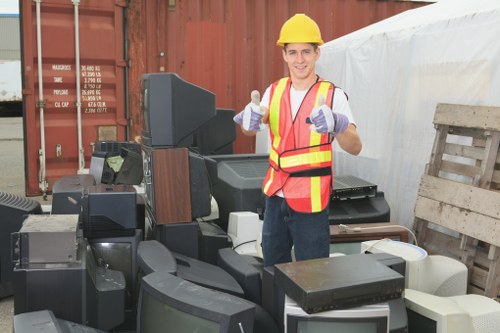
Furniture removal in London comes with challenges that do not always exist elsewhere. Streets can be narrow, parking can be limited, and many properties are on busy roads where loading has to be done quickly and safely. Even when the item itself is straightforward, getting it out of the building can be the hardest part. That is why a local furniture collection service is valuable: it is built around the reality of London properties, traffic, and access conditions.
From Victorian terraces in areas such as Clapham, Hackney, and Shepherd’s Bush to modern apartment blocks in Canary Wharf, Stratford, and Nine Elms, every property type brings different access needs. Some homes have tight staircases, some offices sit above retail units, and many flats require booking a lift or using a loading bay at a specific time. A team experienced in local collections can plan around these details so the job runs smoothly.
There is also the practical issue of furniture weight and size. Large wardrobes, bed frames, corner sofas, dining tables, filing cabinets, and reception seating can be difficult to dismantle and move without the right equipment. A professional service is helpful not only because it removes the item, but because it handles the lifting, manoeuvring, and loading in a way that reduces the risk of damage to walls, floors, and communal areas.
What our furniture collection service can help with

Our furniture collection service is designed for residential and commercial customers who need unwanted items taken away efficiently. Whether you are clearing a single room or dealing with a larger property refresh, the service can be tailored to the job in hand. The aim is simple: remove the furniture safely, keep disruption low, and leave the area tidy.
Typical items collected include:
- Sofas, armchairs, recliners, and sofa beds
- Tables, chairs, sideboards, and display cabinets
- Beds, mattresses, wardrobes, and chest of drawers
- Office desks, chairs, cabinets, and meeting room furniture
- Shop fittings, storage units, and shelving
- Outdoor furniture and patio sets
- Mixed bulky items from home or business clear-outs
We also assist with furniture disposal in London for items that are no longer wanted because they are worn out, outdated, damaged, or simply no longer suitable for the space. If you are moving, renovating, downsizing, or preparing a property for new occupants, we can help remove the furniture that needs to go without making the process more complicated than it needs to be.
Suitable for a range of customers
Our customers include homeowners, tenants, landlords, estate managers, letting agents, offices, shops, hospitality venues, and contractors. A small flat clearance in Islington may need a very different plan from an office furniture pickup in the City or a restaurant seating removal in South London. The service can be scaled to suit the property, the amount of furniture, and the access conditions.
How the furniture removal process works

Booking a furniture collection should feel straightforward. The process usually begins with a short description of what needs to be removed, where it is located, and any access details that might affect the job. This helps the team understand whether the items can be carried straight out, whether they need dismantling, and whether there are any timing restrictions in the building or street.
Once the details are confirmed, the collection is arranged for a suitable time. In London, timing matters. Many customers need morning pickups before work, same-day help before a moving date, or an evening slot after a business closes. A local service is useful because it can often work around these real-world schedules rather than forcing you into a narrow window that does not suit the property or the customer.
On arrival, the team will assess the items, check the access route, and begin removing the furniture carefully. If necessary, some items can be dismantled to make them easier to move. After loading, the team makes sure the area is left tidy and that the collection is completed with as little disruption as possible.
Typical steps on the day
- Review the items and access route
- Confirm anything that needs dismantling
- Lift and carry furniture safely
- Load the items onto the vehicle
- Check the area before leaving
Book your service now if you want an efficient and practical way to clear unwanted furniture without the hassle of doing it yourself.
What is included in the service

When customers arrange furniture removal and collection in London, they often want to know exactly what they are paying for. A clear service should include more than just transport. It should cover the physical work involved, the loading, and the careful handling needed to get bulky items out of the property without damage.
Depending on the job, the service may include:
- Collection from homes, offices, shops, and other premises
- Loading and lifting by trained operatives
- Careful movement through hallways, staircases, and communal areas
- Dismantling of suitable items where required
- Transport of furniture away from the site
- Tidy completion of the collection area
For many customers, the real value lies in convenience. You do not need to hire a van, find helpers, borrow lifting equipment, or worry about how to carry a three-seater sofa down two flights of stairs. You also avoid the pressure of trying to fit the job around your own schedule when there are moving deadlines, tenancy dates, or business operations to manage.
Extra value for busy properties
In shared buildings, time and care matter just as much as strength. Hallways need to be protected, lifts may have to be reserved, and neighbours must not be blocked for long. A local team familiar with London blocks, mansion flats, converted buildings, and commercial premises understands how to work in a way that is considerate and efficient.
Furniture removal for London homes
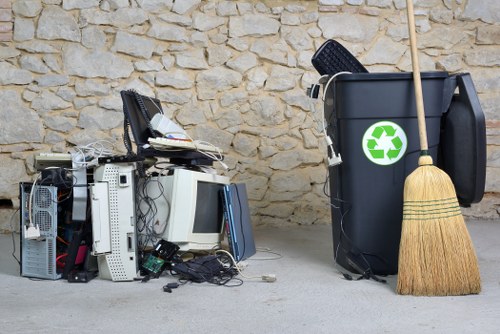
Household furniture collection is one of the most common reasons people contact a local removal service. Perhaps you are replacing a bed before guests arrive, clearing a spare room, or getting rid of a sofa that no longer fits the style of the home. Maybe you have inherited furniture that needs to be cleared from a property, or you are finishing a renovation and want the old pieces taken away before decorating begins.
London homes vary enormously, and that variety affects how furniture has to be removed. A house in Wimbledon or Ealing might have a driveway and direct access, while a flat in Camden or Bethnal Green may require carrying items down multiple floors with no lift. Some properties have basement rooms, loft storage, narrow entrances, or heavy front doors that make furniture movement more difficult. A flexible collection service is helpful because it can adapt to the space rather than expecting the property to make the job easy.
Tenants also benefit from a professional collection before moving out. If a tenancy ends and a landlord expects a room, flat, or house to be empty, it can be much easier to book a furniture clearance than to try to arrange separate disposal methods for each item. For people already juggling cleaning, packing, and inventory checks, this can remove a major source of stress.
Common home-clearance situations
- End-of-tenancy clear-outs
- Moving home and downsizing
- Replacing old or damaged furniture
- Preparing a property for sale or letting
- Clearing inherited furniture from a family home
- Post-renovation removal of bulky items
Furniture collection for offices, shops, and commercial spaces
Keeping business premises clear and functional
Commercial customers often need furniture removed quickly so day-to-day operations are not interrupted. Offices may be refurbishing a floor, reconfiguring workstations, or replacing old chairs and desks after a lease change. Retail units may need display furniture, shelving, or stock-room fixtures cleared before a refit. Hospitality venues often need seating, tables, and reception furniture removed with minimal downtime.
Commercial furniture removal in London can be especially time-sensitive because many buildings operate to strict schedules. Access may be limited to certain hours, loading bays may need to be booked in advance, and shared entrances may need protection to avoid disturbance to other businesses. A local team used to working in busy districts such as Holborn, Paddington, Shoreditch, Southwark, and Victoria can plan around those practical realities.
For landlords, managing agents, and facilities teams, the need is often about speed and reliability. When a tenant moves out and leaves behind office furniture, the space may need to be cleared for the next occupier as soon as possible. A professional furniture pickup can help you reset the property quickly and keep the handover process moving.
Useful for many commercial settings
- Offices and co-working spaces
- Shops and showrooms
- Cafés, restaurants, and hospitality venues
- Schools, training rooms, and community spaces
- Warehouses and storage areas
- Managed residential developments
Preparation checklist before collection
A little preparation can make the collection faster and easier. You do not need to do the heavy lifting yourself, but simple steps before the appointment help the team work efficiently and reduce delays on the day. If you are arranging furniture removal and collection in London for the first time, the checklist below is a useful place to start.
Before the team arrives, try to:
- Identify the furniture items to be removed and separate them from items you are keeping.
- Measure doorways, stairwells, or lift access if you are unsure about the size of the item.
- Make sure hallways and access points are free from obstacles where possible.
- Check whether building management needs advance notice for collections.
- Reserve parking or loading access if your property requires it.
- Remove personal items, drawers, shelves, and loose contents from furniture where appropriate.
- Tell the team about any fragile floors, walls, or tight access points.
These steps are especially helpful in central areas where parking is controlled and access windows can be short. If you live on a busy street in places like Westminster, Kensington, or the South Bank, or in a block with a concierge or porter, it is worth confirming the collection details in advance so everything runs smoothly.
Good preparation helps with speed and safety
When access is clear and the items are ready, the service can often be completed faster. That means less time spent in the property and less disruption for neighbours, tenants, staff, or customers. It is also safer, because there are fewer trip hazards and fewer chances of damaging the route out of the building.
Pricing factors and what can affect the quote
Customers often ask what affects the cost of furniture collection. Because every job is different, pricing usually depends on a few practical factors rather than a one-size-fits-all figure. A transparent quote should reflect the amount of work involved, the type of furniture, and the access conditions at the property.
Common factors include:
- Volume of furniture — one item, several pieces, or a full clearance
- Type and weight — a lightweight chair is very different from a heavy wardrobe or sofa bed
- Access — stairs, lifts, distance from parking, and narrow hallways can affect labour time
- Dismantling needs — some furniture may need to be taken apart before removal
- Collection location — central London, outer zones, and harder-to-access buildings can all differ
- Timing — urgent or out-of-hours collections may require extra coordination
If you are comparing options, it helps to be clear about exactly what needs removing. Photos, item counts, and building access notes can make it easier to give an accurate estimate. That way, you are less likely to face surprises when the team arrives.
Why clear quotes matter
A good quote should be easy to understand. You want to know what is included, what information was used to estimate the job, and whether there are any special considerations such as difficult access or bulky items that need dismantling. For local customers, clarity builds confidence and makes booking much easier.
Why choose a local London company
There are many reasons to choose a local company for furniture removal and collection in London. Familiarity with the city matters. A local team is more likely to understand the challenges of controlled parking, congestion, timed access slots, lift bookings, and different property layouts across the capital. That can make collections smoother from start to finish.
Another advantage is flexibility. Local crews often work across a wide range of areas and property types every day, so they can respond to different customer needs without making the process complicated. Whether you are in a maisonette in Brixton, a studio in Tower Hamlets, a family home in Richmond, or a commercial unit in Hammersmith, the service can be adapted to the job.
There is also the benefit of communication. When you book a nearby team, it is easier to give accurate access notes, explain any building restrictions, and arrange a time that works for your schedule. That is particularly useful when you are coordinating with estate agents, building managers, tenants, or business staff.
Local knowledge helps with real-world logistics
London is not a simple city for bulky item removal. Traffic conditions, permit requirements, and parking availability can all affect how long a job takes. A team that regularly works across the boroughs knows how to plan for these practical details and keep the collection moving.
Areas covered across London
Furniture collection is available across a broad range of London locations, from central districts to outer boroughs. Each area has its own mix of property styles, access conditions, and customer needs, so a flexible service matters.
Areas commonly covered include:
- Central London: Westminster, Camden, City of London, Soho, Holborn, Marylebone
- North London: Islington, Haringey, Barnet, Enfield, Finchley
- East London: Hackney, Tower Hamlets, Newham, Waltham Forest, Stratford
- South London: Lambeth, Southwark, Lewisham, Brixton, Clapham
- West London: Kensington and Chelsea, Hammersmith, Ealing, Brent, Hounslow
- Outer areas and surrounding districts where collections are arranged as part of the service area
Because London is so varied, the right service needs to handle everything from compact flats and mansion blocks to larger homes, retail units, and office buildings. If your property has restricted access, permit parking, or concierge requirements, it is worth mentioning that early so the collection can be planned properly.
Useful for property managers and landlords
Managed properties often need a service that can work around changeovers, refurbishments, and urgent clearances. A local furniture removal company can help keep void periods short, assist with end-of-tenancy resets, and reduce the number of tasks the management team has to coordinate.
Safety, care, and responsible handling
Moving furniture is not just about removing items from A to B. It is about doing so safely, with care for the property and respect for the people using it. Heavy lifting, awkward angles, and tight spaces can all create risk if the job is rushed or handled without proper planning. That is why customers often prefer a professional collection service rather than trying to move large items alone.
A careful team will protect the route out where needed, work methodically through staircases and corridors, and avoid unnecessary contact with walls, doors, and flooring. In shared buildings, that is especially important because damage or disruption can affect more than one household or business. For commercial premises, professional handling also helps reduce downtime and keeps the workspace safer for staff and visitors.
Responsible handling also matters when furniture is no longer wanted because it is damaged, outdated, or beyond use. The focus should be on taking it away in a controlled way that suits the property and the customer’s schedule, rather than adding more work to an already busy day.
Peace of mind for busy households
Many people simply want the job done properly, with minimal fuss. Whether you are preparing for a move, a renovation, or a clear-out, a well-organised collection helps you move on to the next stage without worrying about lifting, carrying, or arranging transport yourself.
Frequently asked questions
Can you collect just one piece of furniture?
Yes. Many customers only need one item removed, such as a sofa, wardrobe, bed, or desk. A single-item collection is a common request in London homes and flats where space is limited.
Do I need to move the furniture outside before collection?
No, not usually. The service is designed to collect furniture from inside the property, provided access is safe and agreed in advance. If you can make the route clear, that helps, but the lifting and carrying are typically handled for you.
What if the furniture needs to be dismantled?
Some items may need to be taken apart before they can be removed safely. If you mention this when requesting a quote, the team can plan for it and advise what is needed.
Can you help with commercial furniture clearance?
Yes. Offices, shops, hospitality venues, and other commercial premises often need furniture removed as part of a refurbishment, relocation, or tenancy change. Collections can be arranged to suit business needs where possible.
How do I know if my building access will be a problem?
If you have narrow stairs, a small lift, controlled entry, or parking restrictions, mention it early. Photos and simple measurements can help determine how the job should be handled.
Can you work around moving day or tenancy deadlines?
That is one of the most common reasons customers book. If you are on a deadline, say so when arranging the service so the collection can be scheduled at the right time.
What should I do with personal items inside drawers or cupboards?
Remove all personal belongings before the collection. Emptying drawers, cabinets, and wardrobes helps speed up the job and prevents anything important from being taken away by mistake.
Book furniture removal and collection in London
If you need a practical, local solution for unwanted bulky items, furniture removal and collection in London is the easiest way to clear space without handling the heavy work yourself. From one-off sofa pickups to full property clearances, the service is designed around the realities of London living and working: limited parking, tricky access, busy streets, and tight schedules.
Whether you are a tenant clearing a flat, a homeowner replacing old furniture, a landlord preparing a property, or a business needing office items removed, a professional collection can save time and reduce stress. You get a cleaner space, less disruption, and a straightforward way to deal with bulky furniture that no longer serves its purpose.
Contact us today to arrange a quote, discuss your access details, and book a convenient collection time. If you are ready to clear out space and move forward, request a free quote and book your service now.