Hoarder Clearance in London
Respectful, Practical Help When a Property Has Become Overwhelming

If you are looking for Hoarder Clearance in London, you may already know that this is rarely just a matter of “removing a lot of items.” In many homes, the situation has built up over months or years, sometimes after bereavement, illness, reduced mobility, anxiety, or a change in circumstances. A hoarded property can feel impossible to tackle alone, and the stress can affect not only the person living there but also family members, landlords, neighbours, and support workers.
That is why a local, experienced clearance team matters. In London, properties vary widely—from compact flats in converted Victorian terraces to council estates, maisonettes, shared houses, and larger family homes. Access can be tight, parking may be restricted, and the work often needs careful coordination with building rules, neighbours, and time limits. A professional hoarder clearance service is designed to handle those realities with discretion and efficiency while treating the home and the people involved with respect.
Whether the property is in Camden, Islington, Hackney, Lambeth, Southwark, Greenwich, Waltham Forest, Ealing, or beyond, local support can make the process far less daunting. The right team will understand that every case is different. Some customers need a full house cleared from top to bottom; others only need one room made safe, accessible, and functional again. In either situation, the goal is to help you move forward in a practical, calm, and dignified way.
What Hoarder Clearance Involves
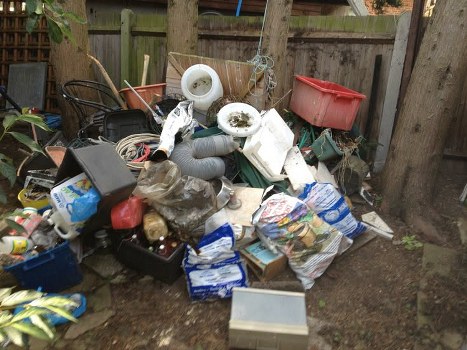
Hoarder clearance is a specialist service that goes beyond a standard house clearance. It usually involves sorting, lifting, removing, and disposing of accumulated belongings from rooms that may have become inaccessible or unsafe. The work can include furniture, clothing, papers, packaging, kitchen items, household waste, broken items, and mixed contents stored across multiple areas of the property.
Hoarder clearance in London often requires a sensitive approach because the contents may have personal or emotional value. A good service does not rush in and strip everything out without thought. Instead, it works methodically, separating items into agreed categories, preserving anything that needs to be kept, and removing what is no longer wanted or usable. This can be done room by room, level by level, or as part of a phased plan if the property is too full to complete safely in one visit.
In many cases, the service may also involve helping to create walking space, clear fire exits, open access to kitchens or bathrooms, and make key areas safe for the occupants or for other professionals who need to enter the property. That might include letting in decorators, surveyors, cleaners, housing officers, or maintenance contractors after the clearance has been completed.
Common situations where support is needed
- A home has become difficult to live in safely or comfortably.
- A family member is helping an older relative downsize or restore a property.
- A landlord or letting agent needs a flat made accessible again.
- An executor needs a property cleared after a bereavement.
- Occupants need help after illness, disability, or a major life change.
- A property must be prepared for cleaning, repair, or sale.
Why Local London Knowledge Makes a Difference

London is a city where clearance work can be affected by the building itself as much as by the amount of material inside. Narrow staircases in older homes, shared entrances in blocks of flats, limited lift access, and controlled parking zones can all influence how a job is planned. A local team is more likely to know how to work around these issues without causing unnecessary disruption.
For example, a clearance in a top-floor flat in Brixton may require careful scheduling because there is no lift and the stairwell is shared. A property in Battersea may need attention to permit parking and loading times. A townhouse in Fulham may have basement, ground floor, and loft storage all filled separately. A house in Haringey might involve multiple levels and a rear access route that is difficult to use with large items. These are the kinds of practical realities that can affect timing, staffing, and equipment choices.
Choosing a local company for hoarder clearance in London means the team is more likely to arrive prepared for the conditions they are likely to encounter. That can save time, reduce stress, and help the work run more smoothly. It also means customers can speak to a service that understands the pace, pressure, and logistics of working in the capital.
Useful for both residential and commercial customers
Although most people think first of homes, hoarding-related clearance can also affect offices, shops, storage spaces, small business premises, and rental properties. A commercial landlord may need a unit cleared before refurbishment. A managing agent may need common areas restored to safe use. A solicitor or executor may be dealing with a property that must be sorted promptly and carefully. A flexible local team can adapt the service to the type of building and the urgency of the situation.
What Is Included in the Service?

The exact scope will depend on the property and on what you want to achieve, but most hoarder clearance services in London will include a combination of sorting, lifting, removing, and responsibly managing the contents. The aim is to leave the property safer, more usable, and ready for the next stage, whether that is cleaning, repairs, or simply living in it again.
Typical inclusions may cover one or more of the following:
- Initial assessment of the rooms and access points.
- Careful sorting of items into agreed categories.
- Removal of unwanted possessions, waste, and bulky items.
- Clearance of furniture, bags, boxes, and mixed contents.
- Loading, transport, and disposal arrangements.
- Recycling and re-use of suitable items where possible.
- Support with creating safe walkways and access to key rooms.
- Phased clearance for particularly sensitive or large properties.
Some customers also ask for help with separating documents, identifying valuables, or setting aside sentimental items. If there are specific items that must be retained, it is helpful to make that clear before work begins. Likewise, if there are hazards such as broken glass, mould-affected contents, blocked exits, damp materials, pest activity, or sharps, the team should be informed in advance so the job can be planned correctly.
What the team will not do without agreement
A trustworthy service should not dispose of items that you have asked to keep. It should also not make assumptions about what is rubbish and what is personal property. Clear communication matters. If you are managing the clearance on behalf of a parent, sibling, tenant, client, or landlord, make sure everyone involved understands the plan before the work starts.
How the Clearance Process Works

For many customers, the hardest part is taking the first step. A professional team makes that easier by keeping the process straightforward and clear. While each property is different, the typical process for hoarder clearance London customers usually follows a simple structure.
1. Initial discussion and assessment
The first stage is usually a discussion about the property, the amount of contents, the access, and the level of help needed. This is the time to explain whether the job is a full clearance, a partial room-by-room clearance, or a more cautious phased approach. It is also useful to mention any time constraints, building restrictions, parking limitations, or neighbour concerns.
2. Planning the work
Once the team understands the situation, they can plan the right number of staff, the type of equipment required, and how to approach the property safely. In London, planning can be especially important where there are time-limited parking bays, narrow streets, or shared entrances. Good planning helps prevent delays and reduces stress on the day.
3. Sorting and removal
The clearance team will work through the agreed areas, removing items in an orderly way. Depending on the condition of the property, this might involve starting with pathways, then clearing one room at a time, or accessing the most urgent areas first, such as kitchens, bathrooms, hallways, and exits.
4. Final sweep and handover
When the clearance is complete, the property should be left in a condition that allows the next step to happen more easily. That may mean a room is empty and ready for cleaning, or simply that the home is now safe to enter, inspect, and plan from. If further work is needed, such as deep cleaning or repairs, a clearer property makes those tasks far more manageable.
Preparation Checklist for Customers
One of the most useful things you can do before booking is decide what you want to happen to the contents. You do not need everything sorted in advance, but even a small amount of preparation can make the clearance more efficient and less stressful.
Before the team arrives, consider:
- Which rooms need clearing and whether any areas should be left untouched.
- Items to keep such as documents, jewellery, photos, medication, keys, or paperwork.
- Items to prioritise if there are urgent access needs, such as the boiler, sink, cooker, or front door.
- Access details including stairs, lifts, entry codes, parking restrictions, or loading points.
- Any safety concerns such as damp, mould, pests, broken furniture, or blocked exits.
- Who will be present and whether the occupant, a relative, or an agent will be on site.
- What happens after the clearance, such as cleaning, valuation, repair, or redecoration.
If the person living in the property feels embarrassed or anxious, it can help to keep the conversation calm and practical. There is no need to explain everything in detail to everyone. A compassionate team should be able to work discreetly and respectfully, without drawing attention from neighbours or passers-by.
Helpful tip
If you are acting for someone else, write down any “must keep” items before the visit starts. That simple step can prevent mistakes and make decision-making much easier on the day.
Pricing Factors: What Affects the Cost?
Because every situation is different, there is no single fixed price that suits all hoarder clearance jobs in London. Instead, the cost is usually influenced by practical factors related to the size of the property, the amount of contents, and the conditions on site. A reputable service will explain what affects the quote so you know what you are paying for.
Common pricing factors include:
- The number of rooms or areas involved.
- The volume and type of contents to be removed.
- Whether the property contains bulky furniture or heavy items.
- Access issues such as stairs, lifts, basements, or narrow corridors.
- Parking restrictions, loading distance, and time spent on site.
- How much sorting is required before removal.
- Whether the job needs to be split into more than one visit.
- Special disposal requirements for certain materials or contaminated items.
It is worth remembering that a cheaper option is not always the better one if the team lacks experience, works too quickly, or does not understand how to manage a sensitive property. Many customers prefer a service that is clear, organised, and respectful over one that simply promises to get everything out as fast as possible. The real value is in a result that supports the next stage of the process and does not create more problems later.
Request a free quote
If you are comparing options, it usually makes sense to request a quote based on the actual property rather than trying to estimate from photos alone. A site visit or detailed discussion can help the team understand the work properly and provide a more accurate proposal. Contact us today to request a free quote and discuss the best way forward.
Why Choose a Local London Company?
There are real advantages to using a company that works in London regularly. Local crews are often better placed to handle the city’s practical challenges, from parking and loading rules to busy roads and access restrictions in flats and estates. They are also used to working across a wide range of neighbourhoods, building types, and customer needs.
Reasons local experience matters
- Faster attendance across central, north, south, east, and west London.
- Better planning for roads, timing, and access conditions.
- Familiarity with housing types such as maisonettes, tower blocks, terraces, and converted properties.
- Discretion for sensitive jobs in busy residential areas.
- Flexible scheduling for landlords, family members, and managing agents.
- Practical understanding of how to work around communal entrances, permit bays, and limited lift access.
Local knowledge is especially useful when a property must be cleared promptly because of a sale, a tenancy change, a repair issue, or family circumstances. In those moments, you want a team that understands the pressure and can keep the job moving without unnecessary complications. That is one of the biggest reasons customers look for hoarder clearance in London from a company that works in the area every day.
Areas Covered Across London
Services like this are needed across many parts of the capital, and a good local team should be able to cover a wide service area. Depending on scheduling, access, and the scope of the work, the service may be available across inner and outer London, including homes, flats, estates, and business premises.
Typical areas include:
- Central London: Westminster, Camden, Islington, Holborn, Soho, Bloomsbury
- North London: Haringey, Enfield, Barnet, Hackney, Waltham Forest
- South London: Lambeth, Southwark, Lewisham, Croydon, Wandsworth
- East London: Tower Hamlets, Newham, Redbridge, Barking and Dagenham
- West London: Ealing, Hammersmith and Fulham, Hounslow, Brent, Kensington and Chelsea
- Greater London boroughs and surrounding residential districts
Because many customers live in flats or shared buildings, service coverage is only one part of the picture. The team also needs to be comfortable working in blocks with communal entry systems, estate parking, and time-limited access. That is especially important where neighbours are close by and the job must be carried out quietly and efficiently.
When a Hoarder Clearance May Also Need Other Services
In some properties, clearance is only the first step. Once the main contents are removed, the space may need a deeper clean, minor repairs, pest treatment, or help with preparing the property for letting or sale. A clear understanding of the next stage helps the work get done in the right order.
Additional services often considered after clearance
- Deep cleaning of kitchens, bathrooms, and heavily affected rooms.
- Odour removal or ventilation support where appropriate.
- Repairs to damaged floors, walls, fixtures, or fittings.
- Sorting documents and separating important paperwork.
- Preparing the property for valuation, inspection, or refurbishment.
It is common for customers to start with a single room or a partial clearance and then decide whether further work is needed once they can see the property more clearly. That staged approach can feel less overwhelming and may be better for families who need time to make decisions. If this sounds familiar, a flexible team can work with you step by step rather than insisting on a single fixed plan.
Book your service now
If the situation has reached the point where you need practical support, do not wait until it becomes harder to manage. Book your service now or request a free quote to start the process in a calm, structured way.
Frequently Asked Questions
How do I know if I need a specialist clearance service?
If the property has become difficult to walk through, use safely, or clean, or if the scale of the contents is too much for family members or a standard clearance team to manage, a specialist service is often the right choice. Hoarded homes usually need more planning, patience, and care than ordinary house clearances.
Can you clear just one room?
Yes. Some customers only need one room cleared, such as a hallway, bedroom, kitchen, or storage space. Partial clearances are common when the goal is to restore access or reduce immediate risks without disturbing the whole property.
What if the person living there is upset about the clearance?
This is very common, and it is one of the main reasons a respectful approach matters. The work should be explained clearly, and the pace should be manageable. In many cases, a phased clearance is better than trying to do everything at once. Where possible, involve the occupant in decisions about items being kept or removed.
Do I need to sort everything before the team arrives?
No. You do not need to complete the sorting yourself. However, it helps to identify anything that must be kept and to point out the areas that matter most. If you can set aside important documents, medication, keys, or sentimental items in advance, that can make the job easier.
Can you help with properties that have access problems?
Yes, this is common in London. Many homes have stairs, narrow entrances, shared hallways, estate access rules, or restricted parking. A local team can plan around these practical issues and choose the right approach for the building.
Will the contents be handled discreetly?
A professional service should always aim to be discreet. This is especially important in streets with close neighbours, communal entrances, or busy foot traffic. The work should be handled with care and without unnecessary attention.
What happens to the items removed?
Depending on the contents and the agreed plan, items may be recycled, reused where suitable, or disposed of through appropriate waste routes. If there are items you want kept aside, make this clear before the work starts.
Choosing the Right Team for Hoarder Clearance in London
Not all clearance services are suited to hoarding situations. The right company should be calm, organised, discreet, and able to handle sensitive circumstances without judgement. You want people who understand that this is not just about labour; it is about helping someone regain control of a property and move toward a safer, more workable space.
Look for a service that can provide:
- A clear explanation of the process.
- Flexible options for full or partial clearance.
- Practical planning for access, parking, and building rules.
- A respectful attitude toward the occupant and belongings.
- Support for both residential and commercial properties.
- Transparent discussion of pricing factors before work begins.
For many customers, making that first enquiry is the hardest part. Once the situation is talked through properly, the rest becomes much easier to manage. Whether you are helping a family member, dealing with a tenancy issue, clearing after a bereavement, or trying to restore a home that has become unsafe, the right team can make a real difference.
Contact us today to discuss your property, ask questions, and arrange the next step. If you need Hoarder Clearance in London, choosing a local, understanding service can help you move forward with less stress and more confidence.