Commercial Waste Collection in London
Running a business in the capital means staying on top of more than just customers, staff, and stock. Waste builds up quickly in busy premises, and if it is not handled properly, it can affect safety, hygiene, appearance, and day-to-day operations. Commercial Waste Collection in London is designed for businesses that need a reliable, practical way to keep waste moving without disruption. Whether you manage an office in the City, a restaurant in Shoreditch, a retail unit in Croydon, a workshop in Tottenham, or a mixed-use site in Kensington, having the right collection service matters.
London businesses face unique challenges. Narrow streets, restricted loading bays, busy delivery windows, basement storage, lift access, and controlled parking zones can all make waste removal more complicated than it first appears. A local commercial waste team understands these pressures and can work around them with a service that fits your site, your schedule, and your waste volumes. That is especially important when waste has to be removed quickly, quietly, and without disturbing staff or customers.
If you are looking for a dependable way to manage bins, bulky refuse, recycling streams, or regular rubbish from your premises, this page explains what is included, how the service works, what affects pricing, and why many local businesses prefer a nearby provider. Contact us today to arrange a collection that suits your operation, or request a free quote when you are ready to compare your options.
Why Commercial Waste Collection Matters for London Businesses
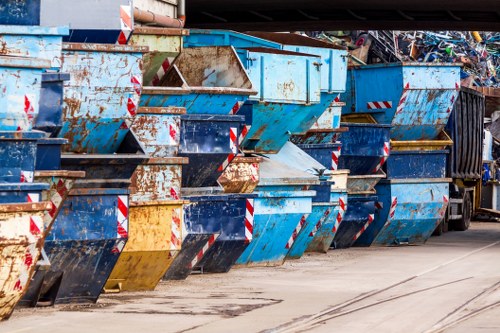
Commercial premises generate waste in many different forms. Offices produce paper, packaging, food waste from kitchen areas, and general rubbish. Hospitality venues create large amounts of mixed refuse, glass, cardboard, and organic waste. Shops and warehouses deal with packaging, damaged goods, shrink wrap, and back-of-house rubbish. Construction and fit-out projects may need removal of non-hazardous debris. Whatever the sector, waste must be managed legally, safely, and efficiently.
In London, there is an added layer of urgency because space is limited and footfall is often high. A pile of waste outside your premises can create a poor first impression, attract pests, and cause complaints from neighbours or building management. In some locations, it can also create access issues for deliveries or emergency routes. Commercial waste collection in London helps you stay organised and present your business in a professional way.
Many business owners also want a service that is consistent and predictable. It is much easier to plan when you know when collections will happen, what containers are being used, and how recyclable materials are being separated. With a suitable collection arrangement, you can keep storage areas tidy, reduce overflow, and avoid the stress of dealing with waste at the last minute.
Who the Service Is For
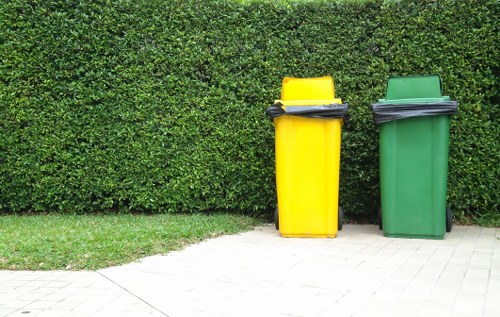
Commercial waste services are used by all kinds of organisations across London. That includes small independent businesses, larger corporate premises, hospitality venues, trade units, landlords, property managers, public-facing buildings, and mixed commercial-residential sites. Many customers need a flexible service because their waste changes with trading patterns, seasonal demand, and deliveries.
Typical customers include:
- Offices and co-working spaces
- Restaurants, cafés, bars, and pubs
- Retail shops and shopping units
- Warehouses, storage units, and distribution sites
- Salons, gyms, clinics, and professional practices
- Schools, nurseries, and education premises
- Landlords and managing agents with shared bin areas
- Event venues and hospitality spaces
Each type of site has its own waste profile. A café in Camden may need frequent collections of food waste and packaging, while a corporate office near Bank may need a discreet recycling and general waste schedule. A shop in Chelsea could need extra removal after deliveries, while a warehouse in Acton may require a collection plan that supports stock turnaround. The service should be shaped around the premises, not forced into a one-size-fits-all arrangement.
What Is Included in a Commercial Waste Collection Service?

A good service should feel clear from the start. Commercial waste collection is usually arranged around regular pickups, suitable containers or bins, and separation of different waste types where needed. Depending on the site and the provider, the service can include general waste, mixed recycling, cardboard, glass, food waste, and other non-hazardous commercial materials. The aim is to keep disposal efficient and compliant while reducing the burden on your team.
What is typically included:
- Scheduled collections at agreed intervals
- Waste removal from business premises
- Provision or servicing of bins and containers, where applicable
- Collection of recyclable materials where separated
- Flexible arrangements for higher-volume periods
- Advice on sorting waste for smoother collections
Some businesses need simple bin emptying, while others need a more structured waste plan across multiple storage points or floors. For example, an office building in Westminster may have separate bins on different levels, while a hospitality venue in Southwark may need food and packaging streams handled in different ways. A strong local provider will take the time to understand the site layout before confirming the best arrangement.
How the Service Works
A practical process for busy London premises

The process should be straightforward. First, the provider will look at your business type, waste volume, bin storage, access conditions, and collection preferences. This helps determine how often collections are needed and what type of service will work best. For some sites, weekly or twice-weekly pickups are enough. For others, especially those with high turnover or limited storage, more frequent arrangements may be the better choice.
Next, the collection schedule is agreed. This is particularly important in London, where loading restrictions, traffic conditions, and access windows can vary a great deal from one postcode to the next. A restaurant on a busy high street may need early morning collections before opening hours, while an office block near Liverpool Street may need a discreet service that avoids peak pedestrian times. The best providers take those local details into account.
Once collections begin, the goal is consistency. Your team should know where bins go, what goes in each container, and when the waste will be taken away. That makes day-to-day operations easier and helps reduce overflow, contamination, and missed pickups. If your business changes, your waste arrangement can often be adjusted to match new demands.
Waste Types Commonly Collected from Commercial Sites

Commercial sites generate a broad range of waste, but not everything should be handled in the same way. Separating waste correctly helps collections run more smoothly and can make recycling easier where it is part of the service. It can also reduce problems with overfilled bins, smells, and contamination.
Common waste streams include:
- General waste – everyday non-recyclable rubbish from offices, shops, and hospitality venues
- Cardboard and packaging – common in retail, warehousing, and e-commerce operations
- Mixed recycling – suitable materials separated from other waste
- Food waste – often generated by restaurants, cafés, pubs, and canteens
- Glass – especially important for bars and venues
- Bulky commercial waste – unwanted items from office moves, refurbishments, or stock changes
Some premises also produce specialist waste that may need separate handling, depending on the material and the rules that apply. If you are unsure what your site produces, it is sensible to speak with a local service provider who can explain the best way to organise your waste streams. Clear sorting at the source often saves time later.
Why London Businesses Benefit from a Local Provider
Choosing a local company for commercial waste collection in London can make a noticeable difference in both service quality and convenience. A nearby team is more likely to understand road layouts, access restrictions, neighbourhood timing issues, and the everyday realities of working in the capital. That practical knowledge is valuable when your business cannot afford delays or mess around the premises.
London has many different business environments. You might be in a modern office tower near Canary Wharf, a townhouse conversion in Marylebone, a railway arch in Peckham, a high street unit in Wimbledon, or a busy industrial estate in Park Royal. Each setting comes with different logistics. Local experience helps ensure collections are planned with realistic access, parking, and collection points in mind.
Another major benefit is responsiveness. If your waste volumes increase unexpectedly, a nearby provider is often better placed to adjust the service quickly. That can be especially useful for restaurants during busy trading periods, retailers after promotional events, or offices during move-outs and clearances. When waste builds up, having a team that understands the area and can act promptly is a real advantage.
Benefits for busy premises
- Better understanding of local access and parking issues
- More suitable collection scheduling for busy streets
- Faster adjustments when needs change
- Practical support for multi-occupancy buildings
- Reduced disruption for staff, customers, and neighbours
Common London Access Challenges and How They Are Handled
Many customers only think about waste collection once a problem has already started. In London, the problem is often not the waste itself, but how to move it from the premises to the vehicle. Some buildings have narrow corridors, basement storage, shared courtyards, or goods lifts. Others have no off-street loading at all. A sensible service takes these issues seriously from the start.
Parking restrictions can make a big difference. Areas such as Central London, the West End, and parts of inner boroughs often have strict loading times and limited stopping points. In more residential-commercial zones, collection timing may need to work around school runs, shopping traffic, or peak commuting periods. For that reason, waste arrangements in London should always be designed with the real site conditions in mind.
Some of the most common access issues include:
- Narrow streets and busy one-way systems
- Restricted loading bays or shared service yards
- Basement or rear-bin access
- Limited parking near the premises
- Buildings with concierge or reception-controlled entry
- High-rise or multi-floor waste storage points
When a collection company understands these limitations, it can plan the route and timing more effectively. That means less waiting around for your staff and fewer avoidable disruptions. It also helps keep collection points tidy, because waste is less likely to be left behind due to access problems.
What Affects the Cost of Commercial Waste Collection?
Business owners often want to know what influences the price of a waste service before they commit. While exact figures depend on the provider and the site, several common factors usually shape the cost. Understanding these helps you compare quotations more confidently and choose a service that fits your budget and waste needs.
Pricing is commonly influenced by:
- The volume of waste produced each week or month
- The type of waste collected
- How often collections are required
- The number and size of bins or containers needed
- How easy it is to access the collection point
- Whether the site is in a busy or restricted London location
- Any extra handling needs for bulky or mixed waste
A site with straightforward access and predictable bin volumes is usually easier to service than a location with multiple storage areas, restricted parking, or frequent overflow. That does not mean the service cannot be arranged; it simply means the provider will need to plan carefully. Transparent pricing is best when it reflects the real conditions of your premises.
Questions to ask before booking
- How often will collections happen?
- What waste types are included?
- Are containers supplied or serviced?
- How is access managed at my site?
- Can the service be adjusted if waste levels change?
Preparing Your Business for Collection
Good preparation helps collections run smoothly and keeps your site tidier between visits. It also saves time for your staff, who may already be busy with customer service, stock handling, or daily operations. A few small steps can make a big difference to how efficiently waste is removed.
Preparation checklist:
- Keep waste in the agreed storage point or bin area
- Separate cardboard, recycling, and general waste where required
- Flatten boxes where possible to save space
- Do not leave items blocking exits, corridors, or fire routes
- Make sure collection access is not obstructed by vehicles or deliveries
- Inform the provider about changes in volume or access arrangements
For hospitality venues, it can help to set waste routines at the end of each service period. For offices, a tidy recycling process around desks, kitchens, and print areas can reduce contamination. For retail premises, breaking down packaging promptly prevents stock rooms from becoming overcrowded. These simple habits make commercial waste collection more efficient and can help your premises stay presentable.
Areas Covered Across London
Commercial waste collection is often needed across a wide mix of boroughs and business districts. A local London service should be able to support premises in Central, North, South, East, and West London, including both high-density commercial areas and mixed neighbourhoods where business units sit alongside homes. The real value is not just wide coverage, but the ability to work with the practical realities of each location.
Areas commonly served include:
- Central London, including Westminster, the City, Holborn, and Covent Garden
- East London, including Stratford, Shoreditch, Hackney, and Canary Wharf
- North London, including Camden, Islington, Tottenham, and Wood Green
- South London, including Lambeth, Southwark, Brixton, Clapham, and Croydon
- West London, including Kensington, Chelsea, Hammersmith, Ealing, and Acton
- Outer business districts and industrial areas such as Park Royal, Wembley, and Wimbledon
Different boroughs come with different access patterns, road layouts, and trading styles. A collection service that works well in a busy retail parade may need to be adapted for a multi-storey office or an industrial estate. That flexibility matters if you want a long-term solution rather than a short-term patch.
Why This Service Helps Different Property Types
London’s property mix is one of the reasons commercial waste collection needs to be so adaptable. Businesses may operate from converted houses, basement units, modern office blocks, shared commercial yards, shopping centres, or buildings with both tenants and customers using the same entrance. A collection plan that works for one type of property may not be suitable for another.
Examples of property-specific needs
- Offices: discreet collections, recycling separation, and tidy bin storage
- Hospitality venues: frequent waste removal, food waste handling, and glass management
- Retail units: cardboard and packaging control, especially after deliveries
- Warehouses: large-volume collections and organised storage points
- Shared buildings: coordination with management companies and tenants
When a service is tailored to the property, it is easier to keep corridors clear, maintain hygiene standards, and avoid disputes with neighbours or building managers. That is especially useful in London, where many commercial sites sit close to residential properties or shared access routes.
What Makes a Good Commercial Waste Partner?
Businesses usually want three things from a waste provider: reliability, clarity, and a service that actually fits the site. It is not enough to simply offer a bin pickup. The provider should understand how your business runs, how much waste is produced, and what challenges the premises create. Good service should feel organised rather than disruptive.
Look for a provider that can offer:
- Flexible collection times
- Clear explanations about waste types
- Support for busy or awkward access points
- Simple communication about changes or extra pickups
- A practical approach to recycling and waste separation
Local knowledge is often the difference between a service that causes friction and one that quietly supports the business. If the provider already understands London’s parking restrictions, travel times, and loading difficulties, you spend less time explaining the obvious and more time keeping your operation moving.
Frequently Asked Questions
How often do I need commercial waste collection?
It depends on your business type, the amount of waste you create, and the space available for storage. Some offices only need weekly collections, while restaurants and busy retail sites may need more frequent pickups. A provider can help assess what is practical for your premises.
Can different waste types be collected separately?
Yes, in many cases. General waste, recycling, cardboard, glass, and food waste are often handled in different ways. Separating waste can help keep the site tidier and may make collections more efficient.
What if my business is in a hard-to-access area?
Many London properties have access constraints. A local team can usually plan around narrow roads, loading restrictions, shared entrances, and limited parking. It helps to mention these details when you request a quote so the service can be set up properly.
Do you handle one-off clearances as well as regular collections?
Some businesses need ongoing waste pickup, while others need a one-off removal after a move, refit, stock clear-out, or site change. It is worth asking about both options if your needs are likely to vary.
What should I do before collection day?
Make sure waste is placed in the right area, pathways are clear, and any recycling is separated where required. If access conditions have changed, let the provider know in advance so the collection can go ahead smoothly.
Can the service be adapted as my business grows?
Yes. Many London businesses find that waste volumes change over time, especially after seasonal trading, expansion, or changes in staff numbers. A flexible arrangement is useful because it can be adjusted as your needs evolve.
Booking the Right Service for Your Business
When you are ready to arrange Commercial Waste Collection in London, the most useful next step is to speak with a local team that understands your premises and your waste patterns. Be ready to share the type of business you run, the approximate amount of waste you create, your preferred collection times, and any access restrictions. The more accurate the information, the easier it is to set up a practical service.
It also helps to think ahead about where the waste will be stored, whether recycling is separated already, and whether your site has any special timing concerns. For example, a venue near a station may need a collection window outside commuter rush, while a hotel or office block may prefer early or low-disruption timings. These details can make the difference between an awkward arrangement and a smooth one.
If your business is ready for a tidier, more reliable waste solution, contact us today to discuss your needs, or book your service now if you want to move forward with a tailored collection plan. A local provider can help you keep your premises clean, organised, and ready for business without adding unnecessary hassle to your day.
Final Thoughts
Waste management is one of those parts of business life that is easy to overlook until it becomes a problem. In London, where space is limited and every site faces its own access challenges, the right commercial waste collection service can make a real difference. It supports hygiene, keeps storage areas clear, reduces disruption, and helps your premises stay presentable for staff, customers, and visitors.
Whether you run a small office, a busy hospitality venue, a retail unit, or a larger commercial property, a local service gives you the benefit of practical knowledge and responsive support. When the collection plan is designed around your actual location and trading pattern, waste becomes easier to manage and less likely to interrupt your day. Request a free quote when you are ready to get started.
Useful reminders for busy site managers
- Review waste volume regularly
- Keep access points clear
- Separate recyclables where possible
- Tell the provider about schedule changes early
- Choose a collection plan that matches real site conditions
Need a practical local solution?
Book your service now and arrange commercial waste collection that works for your London premises, your schedule, and your day-to-day operations.