Recycling and Rubbish in London
Managing recycling and rubbish in London can feel straightforward on the surface, but in practice it often becomes a real challenge. Busy streets, limited parking, shared access, basement flats, office buildings, student lets, commercial units, and tight collection windows all make waste removal more complicated than it first appears. For many households and businesses, the right solution is not just about getting rid of waste quickly; it is about doing it properly, keeping spaces clear, and making sure recyclable material is separated from general rubbish wherever possible.
Whether you are clearing a flat in Islington, dealing with renovation waste in Clapham, emptying a shop in Croydon, or trying to keep a shared house in Stratford tidy, local support can make a big difference. A well-organised service helps you save time, reduce stress, and handle the practical side of rubbish collection in a way that suits London living. If you need a one-off collection or recurring support, contact us today to discuss what you need and request a free quote.
This page is designed for London customers who want a practical, local solution for mixed waste, recyclables, bulky items, and everyday rubbish. It explains how the service works, what is usually included, what affects pricing, and how to prepare for a smooth collection. It also highlights why a local team is often the easiest choice when access, timing, and waste separation matter.
Why recycling and rubbish matter so much in London
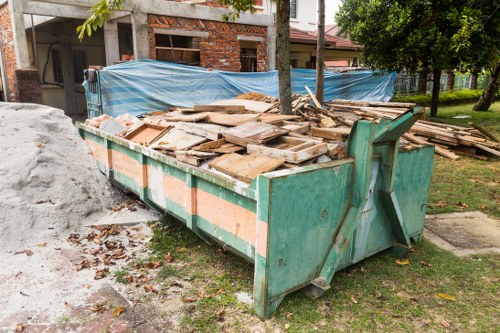
London produces a huge variety of waste every day, from kitchen packaging and household clutter to trade waste, office paper, broken furniture, garden cuttings, and leftover materials from refurbishment work. In a city of flats, terraces, converted houses, retail units, and commercial premises, rubbish often builds up in places where storage is limited. When bins overflow or recyclable material gets mixed with general waste, it can create hygiene issues, unwanted odours, and extra pressure on residents, landlords, and business owners.
What many local customers want is not simply a collection date, but a service that understands the real conditions of London properties. That might mean navigating narrow stairwells, working around controlled parking zones, collecting from a top-floor flat without a lift, or arranging a same-day pickup after an office clear-out. A reliable local collection service helps people stay on top of waste without turning the process into a major project.
Good waste handling also supports better recycling habits. When items are sorted carefully, more materials can be sent on for reuse or recycling rather than ending up in the wrong stream. That matters to households, landlords, property managers, shops, and tradespeople who want a practical service that respects both time and environmental responsibility. In short, recycling and rubbish in London is not just about disposal; it is about keeping the city working efficiently.
Who our local waste services are for

London customers come to waste collection services for many different reasons, and each one has its own pressures. A family in a Victorian terrace may need help removing old furniture before redecorating. A landlord may need a void property cleared between tenancies. A café or salon may want a regular, tidy solution for packaging, cardboard, and non-hazardous commercial waste. A builder may need rubble, timber, and mixed site waste taken away after a small renovation.
Typical customers include:
- Homeowners dealing with decluttering, moving, or refurbishing rooms.
- Tenants who need to clear rubbish before the end of a lease or after a move.
- Landlords and letting agents managing end-of-tenancy clearances and fly-tipped waste.
- Offices and retail premises disposing of old stock, fittings, and packaging.
- Tradespeople and contractors handling building waste and leftover materials.
- Property managers looking after communal areas, stores, and periodic clear-outs.
Because every type of property in London presents different access and timing issues, a local team can adapt to the job more easily. If your rubbish is in a basement, an upper-floor flat, a mews property, or a busy commercial street, the collection plan should fit the location rather than force you into a rigid process. That flexibility is one of the biggest benefits of choosing a nearby service.
What the service usually includes
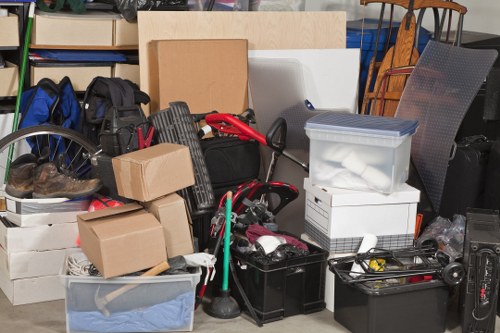
When people enquire about rubbish removal, they often want to know exactly what is included. The answer depends on the type of collection, but a good local service will usually aim to keep things simple and clear from the start. You should be able to explain what needs removing, where it is located, and how much access there is, then receive a practical plan for collection.
Depending on the job, the service may include:
- Collection of general household rubbish and mixed non-hazardous waste.
- Separation and loading of recyclable materials where appropriate.
- Removal of bulky items such as sofas, mattresses, wardrobes, and tables.
- Clearance of office furniture, shelving, packaging, and old equipment.
- Collection from flats, houses, shops, storage units, and work sites.
- Responsible handling of waste so items are directed to the correct facility.
- Tidy, efficient loading that leaves the area as clear as possible once the job is complete.
For many customers, this is the key benefit: you do not have to move everything yourself, hire a vehicle, or spend hours at a household waste site. Instead, the waste is removed from your premises in a planned and efficient way. If you are trying to clear space quickly before an inspection, move, sale, or renovation, that convenience can be invaluable.
Request a free quote if you want a straightforward collection arranged around your property and the type of waste involved.
How recycling and rubbish collection works

The process should be simple, especially for busy London residents and businesses. Most customers want a service that is easy to book, clear on timing, and efficient on the day. A good collection usually starts with a brief description of what needs to go, followed by an assessment of access, the volume of waste, and any special handling requirements.
Typical collection steps
- Describe the waste — Tell the team what you need removed, where it is, and whether it includes recyclable material, bulky items, or mixed rubbish.
- Share practical details — Mention floor level, lift access, parking options, narrow entrances, loading restrictions, or any time limitations.
- Receive a quote — The price is normally based on waste volume, type, labour needed, and access conditions.
- Book a collection slot — Choose a time that works for your household, business, or site schedule.
- Prepare the items — Keep waste in one place if possible and separate anything you already know can be recycled.
- Collection day — The team arrives, loads the items, and removes the waste for proper handling.
For larger or more awkward jobs, such as clearing a cellar, removing rubbish from a top-floor flat, or dealing with a full office move, the team may need extra time to load safely and efficiently. This is where local experience matters. In London, knowing how to work around parking bays, service yards, shared entrances, and busy roads can save a great deal of time and hassle.
Many customers also like the fact that a local provider can adapt to last-minute changes. If the scope of the job changes when you begin clearing a room, it is often easier to update the plan with a nearby team than with a rigid, distant operation.
Why a local London company is often the best choice

Choosing a local company for recycling and rubbish in London offers practical advantages that matter on the ground. London is not a one-size-fits-all city. A collection in Westminster can involve very different access conditions from one in Walthamstow, Ealing, Greenwich, or Battersea. Local teams understand that the city’s housing stock and commercial areas vary widely, and that each area may require a different approach.
Local advantages for customers
- Better understanding of access issues in flats, estates, mews properties, and busy high streets.
- More practical scheduling around loading bays, permit zones, and restricted streets.
- Faster response for urgent clearances or short-notice waste removal.
- More suitable service for London properties with stairs, no lift, or limited frontage space.
- Experience with mixed residential and commercial waste across different boroughs.
Local knowledge can be particularly useful for customers in central areas where parking is tight, in suburban zones where access is shared, and in mixed-use neighbourhoods where residents and businesses are operating close together. The right team should be able to work efficiently without disrupting neighbours, passers-by, or your working day.
For property managers, landlords, and businesses, a local provider can also offer a more dependable routine for repeat collections. That consistency is valuable when you need bins, waste stores, or periodic clearances managed properly over time. If you have regular rubbish or recycling needs, book your service now and keep waste under control before it starts becoming a problem.
Common types of recycling and rubbish handled in London
One of the most useful parts of a local waste collection service is the ability to deal with a wide range of items. London homes and businesses generate different kinds of rubbish, and those items often need separate handling. Sorting things properly can make the process more efficient and may help divert more material away from general waste streams.
Frequently collected waste types
- General household rubbish
- Mixed recycling, including paper, card, and packaging where suitable
- Bulky furniture and household items
- White goods and appliances, subject to acceptance rules
- Office clear-out waste, desks, chairs, shelving, and filing materials
- Shop fittings, packaging, and old stock
- Light building waste from refurbishments and rip-outs
- Garden waste from domestic outdoor spaces
- Garage, loft, shed, and storage unit contents
It is always sensible to ask in advance about any items that may need special treatment. Some waste categories require separate handling, and a responsible provider will explain what can be accepted and what cannot. This is especially important for London customers who may have mixed loads after decorating, moving, or clearing a property quickly.
By separating recyclable items where possible, you can make the overall collection smoother and more cost-effective. Cardboard, metal, wood, and certain plastics may be handled differently from mixed rubbish, so a short conversation before booking can help the service run more efficiently.
Residential rubbish removal across London
Home clearances are one of the most common reasons people search for waste collection support. London homes range from compact studio flats and converted Victorian buildings to larger family houses, new-build apartments, and shared accommodation. Each has its own practical issues, from limited storage to awkward staircases and busy communal entrances.
Examples of residential jobs
- Decluttering a spare room, loft, cellar, or shed.
- Removing old sofas, beds, wardrobes, and tables.
- Clearing waste after a move in or move out.
- Taking away bags of household junk after a big sort-out.
- Helping with end-of-tenancy rubbish left behind by previous occupants.
- Removing packaging and waste after furniture assembly or delivery.
For residents in flats, especially where lifts are small or unavailable, a collection service can save a lot of heavy lifting. It also avoids the need to find a large vehicle or arrange multiple trips. That is often important in areas where street parking is scarce and loading must be done quickly and carefully.
Householders also appreciate the peace of mind that comes from having waste removed properly. Rather than leaving bags in a hallway or waiting for a council collection that may not suit the volume, you can clear the space when you need to. If you are getting ready for decorating, a sale, or a family visit, that can make a noticeable difference.
Commercial waste, offices, shops, and hospitality premises
London businesses need waste solutions that are reliable, discreet, and suitable for daily operations. Offices, retailers, cafés, pubs, salons, clinics, and studios all generate rubbish differently. A good service should understand those differences and help keep the premises presentable, safe, and functional.
Typical commercial needs
- Clearance of old office furniture and redundant equipment.
- Removal of cardboard, packaging, and stock room waste.
- Collection of shop fit-out debris and display materials.
- Disposal support for hospitality venues after refurbishments or changes of layout.
- Periodic rubbish removal from business premises with limited storage capacity.
Commercial customers often need collections to happen at carefully chosen times, such as before opening hours, after closing, or during quieter trading periods. In busy parts of London, a flexible collection plan helps avoid disruption to staff, customers, and neighbours. It can also reduce clutter in shared yards, back-of-house storage, and loading areas.
For landlords and agents managing commercial spaces, prompt rubbish clearance can be important between occupiers or after a tenant has vacated. Keeping the property tidy makes inspections easier and helps present the unit properly for the next stage. A local collection team can often respond more quickly than a distant provider, which is especially useful when deadlines are tight.
What affects pricing for rubbish and recycling collections
Most customers want a clear idea of what influences the cost before they book. While exact prices vary, several common factors shape the quote. Understanding these helps you plan the job better and avoids surprises on the day.
Key pricing factors
- Volume of waste — More rubbish usually means more labour and vehicle space.
- Type of items — Bulky furniture, mixed waste, and heavier materials may require extra handling.
- Access conditions — Stairs, long carries, narrow entrances, or no parking nearby can increase labour time.
- Separation of recyclables — Sorted waste may be easier to process than mixed loads.
- Urgency — Short-notice collections can sometimes require more flexible scheduling.
- Location — Central London, outer boroughs, and hard-to-access streets can each present different logistical considerations.
A detailed description and a few photos, if requested, can help the team assess the job accurately. The more precisely you can explain the waste and the access, the easier it is to get a realistic quote and avoid unnecessary delays. For businesses especially, that can help keep operations moving without waste becoming an obstacle.
It is usually sensible to compare not just the price, but the service included. For example, loading support, responsible handling, and clear communication may be more valuable than choosing the cheapest option if the job is complex. In London, where access and timing matter so much, that broader value often makes a practical difference.
How to prepare for a smooth collection
Good preparation can make a collection faster, easier, and more efficient. You do not need to do all the work yourself, but a few simple steps can help the team complete the job with less disruption to your day.
Preparation checklist
- Gather the rubbish in one accessible area if possible.
- Separate obvious recyclables from general waste where you can.
- Make sure the access route is clear of obstacles.
- Check whether parking or loading restrictions apply outside your property.
- Tell the team about stairs, lifts, coded entries, or concierge procedures.
- Keep any items that are not meant to be removed in a separate area.
- Let household members, staff, or neighbours know if access will be needed.
If the waste is located in a basement, loft, or storage room, it may be useful to mention how easy or difficult it is to reach. A little advance planning can help the team bring the right equipment and allow enough time for the job. This is especially useful in London’s older properties, where entrances and staircases can be tight or uneven.
Tip: If you are clearing a property before a move, sale, or renovation, try to book the collection before the deadline becomes urgent. That gives you room to sort through items carefully and reduces pressure on the day.
Areas covered across London
A local rubbish collection service should be able to support customers across a wide spread of neighbourhoods, from central boroughs to outer districts. London’s scale means people often need help in places with very different layouts and access conditions. That is why area familiarity matters so much.
Examples of areas commonly served
- Central locations such as Westminster, Camden, Islington, and Southwark
- North London areas including Haringey, Enfield, and Barnet
- East London districts such as Tower Hamlets, Hackney, Newham, and Waltham Forest
- South London areas including Lambeth, Lewisham, Greenwich, and Southwark
- West London locations such as Ealing, Hammersmith, Hounslow, and Brent
- Outer suburban areas and mixed residential-commercial neighbourhoods across Greater London
Each of these areas can present different challenges. Some are dense and heavily trafficked, while others have residential estates, parking controls, or access routes that make loading tricky. A local team understands how to work within those conditions and keep the process moving smoothly.
If you are unsure whether your area is covered, the simplest approach is to enquire directly with your collection details. That way you can get a straightforward answer based on the actual job rather than a generic assumption. For many London customers, that clarity is exactly what they need before booking.
Why recycling separation is worth doing
Sorting waste properly can feel like an extra task, but it brings real benefits for London residents and businesses. When recyclable materials are separated from general rubbish, the collection can often be handled more efficiently and with less waste sent to the wrong place. This is especially useful in a city where volume, access, and time are always important.
Materials often worth separating include cardboard, paper, clean metal, certain plastics, and some wood items. If you are unsure whether something should be classed as recycling or rubbish, it is better to ask than to guess. That small step can help avoid contamination and make the collection process smoother.
It is also useful for businesses that generate large amounts of packaging or office waste. By keeping recyclable materials together, you can reduce clutter in the workplace and make the collection job easier for the team. In many cases, that also helps employees or building occupants keep the area tidier between pickups.
Frequently asked questions
Can you collect waste from flats with no lift?
Yes, collections from upper-floor flats are common in London. It helps to mention stairs, floor level, and any access issues when you enquire so the job can be planned properly.
Do I need to sort everything before collection?
Not always. Mixed rubbish can often be collected together, though separating recyclables where possible is helpful. If you have items that need special handling, it is best to mention them in advance.
Can you help with office and shop clearances?
Yes. Many London customers use rubbish collection services for offices, retail spaces, salons, studios, and hospitality premises. These jobs often require flexible timing and careful handling of furniture and packaging.
What if I have bulky items like mattresses or sofas?
Bulky household items are commonly collected. If the items are difficult to move, mention that when arranging the booking so the team can plan accordingly.
Will you collect from a basement, garden, or storage unit?
Yes, those locations are often included, provided the team knows about the access in advance. Clear directions and a quick description of the route can make the job much easier.
How quickly can a collection be arranged?
Availability varies depending on the job and area, but local teams are often able to offer convenient time slots, including urgent collections where possible. The best next step is to request a quote and discuss your timing needs.
What to look for when choosing a rubbish collection service in London
Choosing a provider is about more than just moving waste from one place to another. For London customers, the best service is usually one that is dependable, flexible, and easy to work with in real-world conditions. You want someone who understands busy streets, access restrictions, and the need to keep disruption low.
Helpful qualities to look for
- Clear communication from the first enquiry.
- Experience with both domestic and commercial waste.
- Knowledge of London access, parking, and loading issues.
- A practical approach to recycling and mixed rubbish.
- Ability to handle urgent, planned, or repeat collections.
- Respectful, tidy work that suits homes and businesses alike.
These things matter because rubbish collection is often time-sensitive. Whether you are preparing a property for handover, clearing a worksite, or simply reclaiming space in your home, you need the job done in a way that fits your schedule. A local team can often provide that level of responsiveness more easily than a service that is not used to London conditions.
If you are comparing options, ask how the collection will be handled, what access details they need, and how they manage different waste types. That will give you a better picture of whether the service suits your property and the task at hand.
Ready to clear your waste?
If you are dealing with clutter, leftover rubbish, or a growing pile of recyclable and non-recyclable items, it may be time to arrange a collection. Whether it is a one-off house clearance, a business waste job, or help with a move or refurbishment, local support can make the process much easier.
For customers looking for practical, dependable recycling and rubbish in London, the best next step is simple: explain what needs removing, share the access details, and request a free quote. That gives you a clear idea of how the collection can work for your property and your schedule.
Contact us today to discuss your waste removal needs, or book your service now if you are ready to get started. A well-planned collection can save you time, improve space, and help you deal with waste properly without unnecessary stress.