Furniture Clearance in London
If you are dealing with bulky pieces, an end-of-tenancy deadline, a full house move, or an office refit, Furniture Clearance in London can save you time, stress, and heavy lifting. In a city where flats, terraces, mansion blocks, warehouse conversions, and busy commercial spaces all come with their own access challenges, clearing furniture is rarely as simple as putting a sofa at the kerb. You may need items carried down narrow stairs, lifted from basements, taken from upper floors without a lift, or removed from premises with tight parking and restricted access. That is where a local clearance service becomes genuinely useful.
People usually look for furniture clearance when they need a quick, practical solution for unwanted items that are too large, too awkward, or too heavy to handle alone. It might be one wardrobe, a dining set, a few office desks, or a complete property clearance after a move. It may also be part of a larger decluttering project, a bereavement clearance, a commercial relocation, or the need to create space before new furniture arrives. Whatever the reason, a local team can make the process smoother and far less disruptive.
London homes and businesses come in many forms, and that variety matters. A clearance in Kensington, Camden, Walthamstow, Battersea, Stratford, Greenwich, Hammersmith, or Clapham may involve different access routes, different parking rules, and different building layouts. A local provider understands those conditions and can plan accordingly. That means a more efficient job, fewer delays, and a service shaped around real London property conditions rather than one-size-fits-all assumptions.
Why Furniture Clearance Matters in London
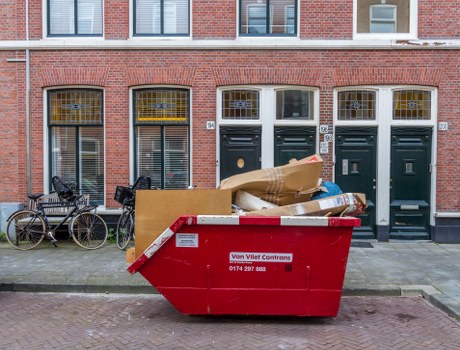
Furniture tends to build up gradually. One sofa stays a little too long, a bed frame gets replaced but the old one remains in the spare room, or an office holds on to desks and cabinets after a layout change. In London, space is valuable, so unused furniture can quickly become a burden. It takes up storage space, blocks access, and makes rooms harder to use properly. A reliable clearance service helps restore order and open up space without adding unnecessary pressure to your day.
For residential customers, furniture clearance is often linked to life events. Moving home, downsizing, combining households, clearing a property after a long tenancy, or preparing a place for sale can all create urgent removal needs. In flats and maisonettes, oversized items can be especially difficult because hallways, stairwells, and shared entrances often limit what can be moved safely. A professional team can remove the furniture with care, saving you from risking damage to walls, floors, and communal areas.
For commercial customers, the need is just as practical. Offices may need old desks, chairs, storage units, and meeting tables cleared before a refurbishment or lease end. Shops, studios, hospitality venues, and managed premises often need a fast turnaround so the space can be reconfigured. In these settings, furniture clearance in London is not only about removing items; it is about keeping operations moving with minimal interruption.
What a Local Furniture Clearance Service Can Remove
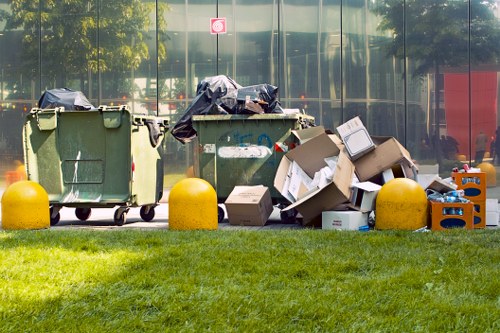
A good clearance service is usually more flexible than people expect. It is not limited to one type of item or one kind of property. If a piece is too large to fit in a standard car, too awkward to carry safely, or too time-consuming for you to handle alone, it may be suitable for clearance. The exact items accepted will depend on the provider and the condition of the furniture, but many services can deal with a wide range of household and business pieces.
Common furniture items cleared in London include:
- Sofas, armchairs, corner units, and recliners
- Beds, mattresses, bed frames, headboards, and divan bases
- Wardrobes, chest of drawers, sideboards, and display cabinets
- Dining tables, chairs, breakfast sets, and bar stools
- Office desks, task chairs, filing cabinets, shelving, and meeting tables
- Shop fittings, reception furniture, shelving units, and storage cupboards
- Bookcases, TV units, coffee tables, and occasional furniture
- Mixed bulky items from homes, flats, and commercial premises
Some customers also need help with partial clearances rather than a full property emptying. For example, you may want to remove a few items before redecorating, or clear old office furniture while keeping essential equipment in place. A local team can often work around what needs to stay and focus only on the items you no longer want.
How the Service Typically Works

The process is usually straightforward, which is one reason people choose a clearance company instead of trying to move everything themselves. The aim is to make the job simple, safe, and clear from the start. While every provider has its own working methods, the typical furniture clearance process in London follows a few practical steps.
Typical service steps:
- You describe the items that need removing and share basic access details.
- The team assesses the job size, property type, and any special access conditions.
- A quotation or estimate is provided based on the load, labour, and logistics involved.
- A collection time is arranged that fits your schedule and property access.
- The team arrives, removes the furniture carefully, and clears the agreed items.
- The space is left tidy, with the removed furniture handled appropriately afterwards.
This process is especially useful in London because access details matter. A first-floor flat with no lift is very different from a ground-floor office with loading bay access. Likewise, a street in central London with limited waiting space will require different planning from a suburban road in outer boroughs. By discussing the location in advance, you help the team prepare the right vehicle, equipment, and staffing level.
If you need a same-day or next-day collection, it is often best to explain your timing needs early. Busy city schedules, landlord handovers, or renovation deadlines can all require a fast response. A local furniture clearance team is often best placed to respond quickly because they know the area and can plan around typical London traffic and access conditions.
What Is Usually Included
When customers enquire about furniture removal and clearance, they often want to know what is actually covered. This matters because the service should feel practical and transparent. While different providers work differently, a good local clearance service will usually include the labour, lifting, loading, and transport needed to remove your unwanted furniture from the property and take it away in one visit where possible.
The service may also include careful handling through hallways, staircases, shared entrances, or office corridors. This is particularly important in London buildings where space is tight and surfaces are easily damaged. Professional teams understand how to move large items without scraping walls, blocking fire exits, or creating avoidable disruption for neighbours, tenants, customers, or staff.
Services commonly included:
- Manually removing bulky furniture from indoors or outdoor storage areas
- Loading items safely into the vehicle
- Handling awkward pieces such as large wardrobes or sectional sofas
- Working around stairs, tight corridors, and narrow access points
- Clearing agreed furniture from homes, flats, offices, shops, and mixed-use premises
- Leaving the clearance area tidy once the items are removed
Why London Customers Prefer a Local Team

Choosing a local company for Furniture Clearance in London brings practical advantages that matter in a busy city. Local teams understand borough layouts, parking restrictions, congestion, and common building types. They are more familiar with the realities of collecting furniture from Victorian terraces in South London, apartment blocks in East London, townhouses in West London, and commercial units across inner and outer boroughs.
That local knowledge can save time and reduce stress. For example, a team that regularly works in areas like Islington, Fulham, Hackney, Ealing, Lewisham, Richmond, Croydon, and Barnet is more likely to anticipate access issues before they become a problem. They will know that some streets are difficult for larger vehicles, that communal entrances can require careful communication, and that timed loading often needs proper planning. These details make a real difference when you are trying to complete a clearance efficiently.
Local service also means better flexibility. London customers often need furniture removed within a narrow window, especially when a tenancy ends, a refurbishment starts, or a business needs a room emptied before the next phase of work. A local provider is often better positioned to fit around these needs. That can be especially valuable when you need a straightforward service without unnecessary delays.
Homes, Flats, and Commercial Properties We Commonly Support

Furniture clearance in London is rarely just about one type of property. The city’s mix of buildings means each job may look different, even when the items themselves are similar. A team working in a converted flat in Shoreditch will face different conditions from one removing office furniture in Canary Wharf or clearing a family home in Wimbledon. The right service should be adaptable enough to handle all of these situations.
Common property types include:
- Studio flats, apartments, maisonettes, and penthouses
- Terraced houses, semi-detached homes, and townhouses
- Converted Victorian and Georgian buildings
- Purpose-built estates and high-rise developments
- Offices, co-working spaces, and managed workspaces
- Retail shops, showrooms, hospitality venues, and storage rooms
- Schools, clinics, landlords’ properties, and rented accommodation
In many cases, the job is not simply about removing old furniture. It may involve helping a landlord prepare a property between tenancies, clearing items left behind after a move, or making room for new tenants or a workplace redesign. Because these situations often have deadlines, a responsive clearance service helps keep everything on schedule.
When a property is busy, occupied, or access-limited, having an organised local clearance team makes the job much more manageable.
Access, Parking, and Building Challenges in London
One of the biggest reasons people seek professional help for furniture clearance in London is access. Many properties are not designed for easy removal of bulky items. Stairs can be narrow, lifts can be small or unavailable, and shared corridors may need careful coordination. Even when furniture is not especially heavy, its size and shape can make it difficult to move safely without the right approach.
Parking and loading can also be challenging. In many parts of London, especially central and inner boroughs, parking restrictions, permit zones, controlled hours, and busy roads can complicate simple loading. If the vehicle cannot stop nearby, the clearance team may need to carry items a longer distance. That is one reason why a local team with city experience can be a better fit than a provider unfamiliar with the area.
For some buildings, there may be extra considerations such as concierge check-in, loading bay bookings, or rules about moving items through shared spaces. The more these details are discussed in advance, the smoother the appointment is likely to be. If your property has a basement, lift restrictions, or difficult stair access, make sure this is mentioned when arranging the service so the team can prepare properly.
Preparing for Furniture Clearance
A little preparation can make the appointment faster and more efficient. You do not need to do heavy lifting yourself, but helping the team identify what is being removed can reduce confusion on the day. For busy households and businesses, a simple checklist can make a big difference.
Preparation checklist:
- Identify which items are going and which should stay
- Clear small objects from drawers, shelves, and tabletops if possible
- Make pathways easier to walk through where safe to do so
- Check lift access, concierge arrangements, or parking restrictions in advance
- Let the team know about stairs, basement storage, or rear access
- Separate items that need careful handling from those that are straightforward to remove
- If possible, measure particularly large pieces or mention where they are located
For commercial customers, it can help to notify staff about the clearance time so the area is ready. In offices and retail settings, this often reduces disruption and allows work to continue elsewhere in the building. If a space is shared, informing neighbours or building management can also prevent delays on the day.
You do not need to dismantle furniture unless it has been agreed and it is safe to do so. If disassembly is required, this should be discussed beforehand. Many customers prefer to leave awkward or heavy items exactly as they are and let the clearance team handle the practical side.
What Affects the Cost of Furniture Clearance?
Customers often want an idea of pricing before booking, and that is completely understandable. While exact prices vary from job to job, the main factors are usually straightforward. The final cost is often influenced by the amount of furniture, the labour needed, the access conditions, and the overall time required to complete the collection.
Common pricing factors include:
- Volume and number of furniture items
- Weight and awkwardness of the pieces
- Property access, such as stairs, lifts, or long carrying distances
- Parking difficulty and loading restrictions
- Whether the job is residential, commercial, or mixed-use
- Urgency of the booking and preferred collection time
- Whether the clearance is partial or involves multiple rooms
A straightforward ground-floor clearance with easy parking will generally be simpler than removing several large items from a top-floor flat with no lift. Likewise, clearing an office suite in one visit may be more involved than removing a single sofa from a home. The important thing is that the quote reflects the actual work needed, so the service remains fair and practical.
When requesting a quote, it is helpful to describe the items clearly and mention any access details that could affect the job. This can include stairs, narrow hallways, residents’ permits, or whether the furniture is in a garage, loft, or basement. The more accurate the information, the more accurate the estimate is likely to be.
When Furniture Clearance Is Especially Useful
There are many situations in which furniture clearance becomes more than a convenience. It can be the difference between meeting a deadline comfortably and dealing with last-minute stress. London customers often need support during time-sensitive transitions, and a local team can be particularly helpful in these moments.
Typical situations include:
- End-of-tenancy moves where furniture must be removed before handover
- Property sales where rooms need to be cleared for viewings or photography
- Downsizing to a smaller flat or retirement property
- Replacing old furniture during a renovation or interior refresh
- Office relocations, closures, or workspace redesigns
- Clearing inherited furniture from a property after a change in circumstances
- Removing bulky pieces that no longer fit your space or lifestyle
In each of these cases, the main benefit is practical relief. You free up space, reduce stress, and avoid dealing with heavy lifting, transport, and disposal logistics yourself. For many customers, this is worth far more than simply getting items out of the way.
Residential clearance needs
Homeowners, tenants, landlords, and letting agents all have reasons to arrange furniture removal. A family may need a spare room cleared for a new child, while a tenant may need the property emptied before leaving. A landlord may need a quick turnaround between occupants. In all these cases, speed and reliability matter.
Business clearance needs
Businesses often need furniture removed discreetly and efficiently. Offices may be changing layout, replacing worn-out items, or making space for new workstations. Retail spaces may need shelving and display fixtures removed. Hospitality venues may need old seating or tables taken away to prepare for refurbishment. A service that understands commercial timing can reduce disruption and help the space move into its next phase.
Why Careful Handling Matters
Furniture removal is physical work, and in London properties it often involves tight turns, stairs, awkward angles, and shared spaces. Careful handling protects the property as well as the people involved. Heavy items can chip paintwork, mark flooring, or damage door frames if they are rushed. Professional clearance work is about more than strength; it is about planning, coordination, and controlled movement.
There is also a safety aspect. Large items can be unstable, and shifting them without the right technique can create risks for both the movers and anyone nearby. That is why customers often prefer using a team that does this kind of work regularly. It reduces strain on you and reduces the chance of avoidable problems in the property.
In short, a good clearance service should make your life easier, not add extra hassle. That is especially important when the job is happening in a busy household, a managed block, or a commercial environment with people coming and going.
Areas Covered Across London
A local furniture clearance service should be able to work across a wide range of London neighbourhoods, boroughs, and property types. Customers often want to know whether their area is covered, and the answer is usually yes across much of Greater London, subject to the nature of the job and access.
Areas commonly served may include central, north, south, east, and west London locations such as Westminster, Camden, Hackney, Haringey, Tower Hamlets, Southwark, Lambeth, Kensington and Chelsea, Hammersmith and Fulham, Brent, Ealing, Harrow, Enfield, Merton, Bromley, Wandsworth, and Kingston upon Thames. Outer areas and surrounding districts can also be included depending on the service area and collection requirements.
If you are unsure whether your location is included, it is sensible to request a quote and provide the postcode, property type, and item details. This helps the team confirm whether the job can be scheduled and what access or parking arrangements may be needed.
Frequently Asked Questions
Do I need to move the furniture outside before collection?
No, not usually. Most customers leave the items inside the property, and the clearance team handles the lifting and removal. If the furniture is already outside or in a garage, that can make the job simpler, but it is not normally required.
Can you clear furniture from a flat with no lift?
Yes, that is a common request in London. Flats and upper-floor apartments often involve stairs, and a local team can usually manage the removal carefully. Be sure to mention stairs and any tight turns when arranging the service.
Is furniture clearance suitable for offices and commercial spaces?
Yes. Office desks, chairs, storage units, and similar items are often cleared as part of a business move, refurbishment, or space change. Commercial clearances can be arranged around operating hours where possible.
What if I only have a few items to remove?
That is often fine. Many customers do not need a full clearance. A few bulky items, such as a sofa or bed frame, can still be collected as a small job if the service provider offers that type of booking.
Can the service help if access is difficult?
Yes, but it is important to describe the access clearly. Narrow hallways, basement storage, communal entrances, restricted parking, or loading bay requirements all affect planning. The more information you give, the better prepared the team can be.
How far in advance should I book?
It depends on urgency and availability. Some customers need a quick collection, while others book ahead for a move-out date or refurbishment schedule. If you have a deadline, it is best to request a quote as soon as possible.
What should I do with small loose items?
It is helpful to remove personal belongings, paperwork, and valuables from drawers or shelving before collection. Small loose items are often not the main concern in a furniture clearance, so keeping them separate can make the job more efficient.
Choose a Practical, Local Solution
When you need furniture removal in a city as busy and varied as London, local experience really matters. A team that understands the realities of parking, access, property layouts, and time pressure can make the process much easier. Whether you are clearing a single item from a flat in Brixton, several office desks from a building in the City, or a full household load from a property in North London, a professional clearance service can help you regain space quickly and with less disruption.
If you are ready to clear out unwanted items and want a straightforward, local service, contact us today to discuss your furniture clearance needs. Request a free quote and share a few details about your property and the items to be removed. If you want to move quickly, book your service now and take the next step toward a cleaner, clearer space.
Furniture clearance should be simple, practical, and suited to real London life — and that is exactly what a local service is designed to provide.
Useful reminder for customers
Before booking, have a quick look at access, parking, and the number of items to be removed. That small step helps make the appointment smoother and the quote more accurate.
Ready when you are
Whether you need help with one bulky piece or a full set of furniture from a home or workplace, the right local team can take care of the heavy lifting. Get in touch to arrange your furniture clearance in London and make room for what comes next.