London rubbish clearance in London

London rubbish clearance for homes, flats, landlords and businesses means dealing with unwanted items in a way that is orderly, lawful and suited to the space involved. We handle everyday clutter, bulky items, mixed rubbish and general clearance work with a practical approach that keeps the job moving and the site tidy. If you need a straightforward way to clear space without arranging a skip, this service gives you a direct route from problem pile-up to cleared area.
Our work covers a broad range of rubbish clearance tasks, from a single awkward item to fuller clear-outs that need sorting, lifting and responsible disposal. Because no two properties are the same, we tailor the job to the access, the waste type and the amount to be removed. That may mean careful handling through tight stairwells, separating reusable materials from general waste, or planning for mixed loads that include furniture, appliances and bagged rubbish.
For a clear next step, start by noting what needs removing, where it is located and whether anything needs special handling. A simple description is usually enough to begin shaping the work, and photographs can help when the clearance includes several different item types. Tell us what is there, and we can talk through the best way to approach it; if you already know the area of the property involved, mention that as well. Use the enquiry route that suits you best, then ask for a quotation.
House and home clearance options
Household clearances often combine general waste with larger possessions that no longer serve a purpose. That can include bags of unwanted items, broken furniture, boxed contents from storage areas and mixed clutter built up over time. The main aim is to remove what is no longer needed without creating extra stress for the household, and to leave the space ready for its next use. Where sorting is required, it helps to separate obvious keep, recycle and remove piles before the team arrives.
Within this kind of domestic work, our house clearance service is suited to full or partial clear-outs, while home clearance gives a wider option for everyday domestic rubbish and unwanted items. If the property is a compact flat or upper-floor home with tighter access, flat clearance can be a better fit. For properties with items stored above living areas or tucked away in the roof space, loft clearance helps address the awkward parts that are easy to delay and hard to tackle alone.
A domestic clearance is usually easier when access is planned in advance and items are grouped by room or area. That does not mean everything must be sorted perfectly, but it does help to identify anything fragile, heavy or difficult to lift. If there are white goods, mattresses or large pieces of furniture among the waste, mention them in the enquiry so the collection can be planned sensibly. For a simple first step, send the basic details and then request a quotation.
Bulky items, furniture and appliance removal

Bulky item removal is often about moving awkward waste safely through entrances, hallways and communal areas without damaging walls or floors. Sofas, wardrobes, beds, tables and other large pieces take more planning than bagged rubbish because they need lifting space and may need partial dismantling. Appliances also need the right handling, especially where electrical components, refrigerants or mixed materials are involved. The job is not just about size; it is also about separation and disposal.
We offer furniture clearance for general household and office pieces, sofa removal for larger seating items, and bed disposal when mattresses and frames both need moving on. If you are dealing with white goods, white goods recycle is a useful route for washing machines, cookers and similar appliances, while fridge disposal suits cooling units that need specific processing. For mixed heavy loads, large item collection can cover several awkward objects in one visit.
When planning this kind of work, think about the route from the item to the exit, any parking or loading restrictions, and whether dismantling may save time. Some pieces can be carried whole, while others are easier to take apart on site; the right approach depends on the item itself and the building layout. If you have several bulky pieces together, a single collection can be more efficient than arranging them separately. Ask for a quote once you know the main items that need attention.
Garden and outdoor waste handling
Outdoor clearances deal with the mess that builds up from landscaping, trimming, tidying and general maintenance. That may include branches, soil, hedge cuttings, grass, broken pots, old fencing sections and other mixed garden waste. Because outdoor material is often bulky but light, the right plan depends on how much is being removed and whether any of it is contaminated with household rubbish. A tidy outdoor area can still hide a large volume of material once the piles are brought together.
For outside jobs, garden waste clearance suits green waste and related debris, while garden clearance is broader and may include old outdoor furniture, planters and general tidying after a larger project. If the work extends beyond plant waste into heavier or mixed material, waste clearance is a practical option for larger and less predictable loads. Where the job involves multiple outdoor areas, it can be helpful to list what is in the front, rear and side spaces so the collection is organised efficiently.
Outdoor waste is easier to deal with when cuttings are not spread through the property and when heavier objects are set aside from lighter green waste. A good description of the load helps the collection be matched to the right vehicle and handling plan. It is also worth noting whether access is through the house, side gate or shared pathway, because that affects the route used to remove the waste. If you want the area cleared without delay, begin with the basics and then ask for a quotation.
Commercial and office clearance services

Business premises create a different kind of clearance need, because the waste may include desks, chairs, filing units, shelving, packaging, archived materials and items no longer needed after a move or reconfiguration. Commercial clearance has to be organised around access, timing and the nature of the discarded items so the work does not interfere more than necessary with day-to-day activity. In many cases, the best outcome is a clear, useable floor area ready for the next stage of the premises.
We support this through business waste removal for broader workplace loads, commercial waste collection for regular or one-off operational waste, and commercial waste disposal where the priority is responsible end processing. office clearance is suitable for desks, chairs and workstations, while office clearances can cover larger refits and multiple rooms. If the premises include storage rooms, back offices or stock areas, those spaces can be folded into the same clearance plan.
Commercial clients often benefit from a brief written outline of what is to stay and what is to go, particularly where several people use the same premises. It can also help to state whether the waste is light office material, bulky fittings or a mixed load with varied disposal needs. Keep the instruction clear, especially if the clearance needs to happen around trading hours, building access or shared corridors. Once the scope is known, it becomes easier to request a quotation that matches the work.
Property, probate and sensitive clear-outs
Some clearances need more care because they involve emptying a property after a change in circumstance, preparing a home for sale or dealing with items that may have been stored over a long period. These jobs can include furniture, personal effects, documents, miscellaneous household contents and general rubbish. The task is often less about speed and more about method, discretion and making sure the right items are removed while anything to be retained is left untouched.
For these situations, property clearance offers a broad solution, while probate clearance and probate house clearance suit estate-related work that needs careful handling and a measured approach. If the property includes a loft, garage or storage room, those areas can be included as part of the same plan rather than handled separately. The key is to define the scope clearly so the clearance team can work in the right order and avoid unnecessary disruption.
These jobs usually go more smoothly when the main categories are listed before the visit: items to keep, items to remove, and anything that must be left for another decision. That simple split reduces confusion in rooms where contents may have accumulated over many years. If access is restricted, or if the property contains a mixture of small items and large furniture, say so at the outset so the collection can be organised properly. A careful enquiry now helps the quotation reflect the actual work.
Waste sorting, recycling and disposal choices
Not every clearance load should be treated the same way. Some material is best directed towards reuse or recycling, while other items need disposal because of contamination, breakage or the nature of the waste itself. Understanding the difference matters because it influences how the load is handled, separated and transferred. The better the sorting at source, the easier it is to match items to the appropriate route.
Our recycling and rubbish page explains the general split between recyclable and non-recyclable material, while waste recycling is relevant where the focus is on diverting suitable items from disposal. For general end-of-life processing, waste disposal and waste removal cover the practical movement of unwanted material away from the property. If the load is mainly loose rubbish rather than reusable furnishings, rubbish removal and rubbish collection are useful descriptions of that broader clearance work.
Price is usually shaped by the amount and type of material, access, loading complexity and any specialist handling that may be needed. Mixed loads can take more sorting than a single-category collection, especially if they combine light rubbish with heavy or fragile items. Where possible, separate obvious recyclable pieces from ordinary waste, but do not worry about perfect sorting before you enquire. The main goal is to create enough clarity for an accurate quotation and a sensible collection plan.
About London
London is a large and historically layered capital city shaped by the River Thames, with a street pattern that reflects centuries of expansion from the Roman and medieval core to later Georgian, Victorian and modern districts. Its built environment ranges from narrow lanes and terraces to major civic avenues, railway termini and contemporary developments, making it one of the most architecturally varied urban areas in Britain. The City of London, the historic commercial nucleus, sits within a much wider metropolis that includes Westminster, the West End, inner suburbs and outer boroughs with distinct identities of their own. Landmarks such as the Houses of Parliament, the Tower of London and St Paul’s Cathedral sit alongside markets, museums, churches and public squares that show different phases of the city’s growth.
The Thames remains central to London’s geography and identity, crossed by a sequence of bridges that link riverbanks and districts on both sides. Major parks such as Hyde Park, Regent’s Park, Hampstead Heath and Richmond Park provide large open spaces within the urban fabric, while canals and smaller waterways add quieter corridors through parts of the city. Transport has long shaped London’s development: the Underground, Overground, rail termini and bus network all influence how the city functions as a whole. Cultural life is equally broad, from theatres in the West End and galleries in South Kensington to local music venues, markets and neighbourhood high streets. This combination of historic depth, dense settlement and continuing change gives London a character that is both highly recognisable and very varied from one district to the next.
Household waste, lofts and garages
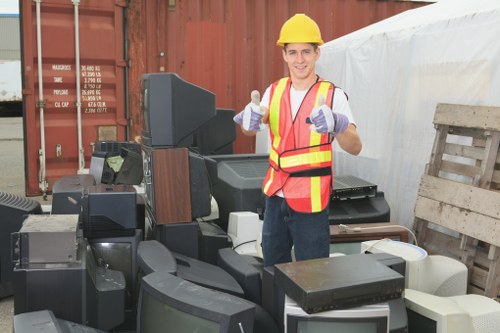
Many domestic projects are less about a full property emptying and more about reclaiming one area at a time. Lofts, garages and spare rooms often become the places where old boxes, broken items and forgotten purchases are left until the space is no longer usable. Clearing those areas can uncover everything from general household waste to seasonal equipment, old storage units and mixed debris. The right approach depends on what has accumulated and how the space is accessed.
We cover this through garage clearance for garage contents and stored clutter, loft clearance for roof-space items that require careful access, and junk clearance where the load is mixed and unsorted. For broader domestic tidy-ups, house clearances and rubbish clearance are both relevant ways to describe the work. If the volume is especially awkward or the items are spread across several rooms, a combined visit may be the most practical option.
Before the clearance begins, it helps to decide whether any items in these storage spaces should be kept, sold, donated or removed. That decision is easier when the contents are visible, so a little pre-sorting can improve the accuracy of the quotation and reduce confusion on the day. If the space contains heavy boxes, old tools or items with sharp edges, mention that too. Clear instructions make the job smoother and help ensure the right team is sent for the task.
Special cases: mattresses, sofas and large household items

Some items need focused removal because they are bulky, awkward to carry or made from materials that should be processed in a particular way. Mattresses, sofas and similar household pieces can be difficult to move through narrow staircases and common areas, especially in flats or properties with limited turning space. It is usually sensible to group these items together rather than treat them as ordinary bagged rubbish, because they affect the lifting and disposal plan.
For these cases, mattress disposal and mattress removal and collection cover bed and mattress items, while sofa removal and collection handles seating that is too large for standard waste routes. If the work is part of a wider household clearance, these pages sit alongside bulky waste collection and bulk waste collection, both of which suit larger household loads that need organised removal. The aim is to give each item the right route rather than bundle everything into one vague category.
When you are planning this sort of clearance, note whether the item is intact, dismantled or partly damaged, and whether the building has lifts, tight corners or shared access points. Those details help shape the collection plan and reduce avoidable delays. If several large items are being removed together, it is usually best to describe them in one list rather than as separate enquiries. That keeps the quote request clear and makes it easier to move from plan to collection.
Useful steps before you request a quotation
A concise enquiry saves time for everyone involved, especially when the load contains different kinds of waste. Try to give a plain description of the items, the floor level or access route, and any pieces that need special care. If the clearance includes both light rubbish and heavier furniture, say so in the same message. You do not need to write a long explanation; the useful part is a clear summary of what is there and where it is.
If there are several rooms or storage areas involved, a short room-by-room note can be helpful, as can an outline of what should stay in place. Photographs can support the description, but they are most useful when paired with a brief written list. That combination helps avoid uncertainty around size, quantity and access. Once the scope is clear, the quotation can be shaped around the work rather than around guesswork.
Use the contact route that suits you and ask for a quotation when you are ready. If you want to compare related clearance options first, begin with the service that most closely matches the type of waste you have, then refine the details from there. A focused request is usually the quickest way to get the right response and move the job forward.