Council Waste Collection in London
If you need reliable council waste collection in London, you are probably looking for a service that is practical, responsive, and suited to the realities of city living. Whether you are clearing a flat in a converted townhouse, managing bin storage for a block of apartments, or dealing with bulky items after a home refresh, a local waste collection service can save time, reduce stress, and help keep everything moving smoothly.
London presents a unique set of waste challenges. Narrow roads, controlled parking zones, shared entrances, basement flats, tight stairwells, and busy commercial streets all affect how rubbish and bulky waste can be collected. That is why residents, landlords, housing managers, and businesses often need a team that understands local access issues and can work around them without unnecessary disruption.
In many cases, council waste collection London customers are not just asking for rubbish removal. They want a straightforward, dependable way to handle household waste, garden waste, old furniture, end-of-tenancy clearances, office waste, and mixed refuse that has built up over time. If that sounds familiar, this page will help you understand how the service works, what is usually included, and how to decide whether it is the right option for your property.
Why London properties often need council waste collection support

London homes and businesses come in many shapes and sizes, and waste collection needs are rarely one-size-fits-all. In some neighbourhoods, bins are shared between multiple flats. In others, large items cannot be moved easily through communal corridors or down narrow staircases. For shops, cafés, offices, and hospitality venues, waste can accumulate quickly and become difficult to manage without a planned collection arrangement.
The local environment also matters. Parking restrictions, one-way systems, delivery traffic, and limited kerb access can make a simple collection more complicated than it first appears. A local team used to waste collection across London will usually understand how to work with these constraints, making it easier to arrange collections that fit around the property and the street outside.
There is also the question of scale. Some customers only need a few bags removed. Others need a full property cleared after a move, renovation, or office refit. London waste collection services are valuable because they can be adapted to the job at hand, whether that means one-off assistance or repeat collection support for a busier building.
What council waste collection in London can include

Although every property is different, most customers want clarity about what can be collected. A good service should explain the types of waste accepted, the items that may require special handling, and any restrictions that apply. This helps avoid delays and makes it easier to prepare the load before collection day.
Typical items collected often include:
- General household waste and bagged rubbish
- Broken furniture such as chairs, tables, wardrobes, and shelving
- Mattresses and bed frames
- Appliances where permitted, such as washing machines or fridges
- Office waste, packaging, and redundant equipment
- Garden cuttings, branches, and outdoor debris
- End-of-tenancy clutter and mixed clearance waste
Some items may need extra care or separate treatment. For example, electrical goods, fridges with gases, paint, chemicals, and sharp materials are not handled in the same way as ordinary household rubbish. If you are unsure, it is always sensible to ask before booking so the collection can be planned properly and safely.
Local waste collection in London is especially useful when rubbish is a mix of everyday clutter and larger bulky items. Instead of arranging multiple removals, a single collection can often deal with the load more efficiently, provided it is all within the accepted categories.
Who uses this service?

Council waste collection is not just for one type of customer. Across London, a wide range of people rely on it for everyday convenience and one-off clearances. Homeowners, tenants, landlords, letting agents, property managers, shop owners, and office managers all face situations where waste needs to be removed quickly and responsibly.
It is particularly useful in situations such as:
- Moving out of a flat or house and leaving behind unwanted items
- Clearing rubbish after decorating or minor renovation work
- Removing old furniture from a rental property
- Handling overflow waste from a busy household
- Clearing bin stores, communal areas, and shared garden spaces
- Managing commercial waste during refurbishments or office changes
In many parts of London, residents live in properties with limited outdoor storage or shared waste facilities. This can lead to bin overflow, fly-tipping risks, or clutter building up in hallways and yards. A responsive waste collection service helps address those issues before they become a bigger nuisance.
For landlords and agents, speed and reliability matter. A property needs to be turned around efficiently, and waste left behind by previous occupants can delay viewings, cleaning, or new tenancies. This is one of the main reasons local teams are often preferred for council waste collection in London.
How the service works
One of the advantages of arranging council waste collection London residents can rely on is that the process is usually straightforward. The aim is to make rubbish removal easy to organise, even for busy households and commercial premises.
While the exact process may vary depending on the provider and the type of waste, the typical steps are:
- You describe the waste, location, and access details.
- The collection team assesses the job and confirms availability.
- A suitable time is arranged, often with consideration for parking and building access.
- The waste is collected, loaded, and taken away for proper processing.
- Any special handling requirements are followed where needed.
Good communication helps the day run smoothly. If you live in a top-floor flat, share a lift with other residents, or have limited parking outside, it is useful to mention this early. The more detail you can provide upfront, the easier it is to plan the collection and avoid unnecessary delays.
What happens on collection day?
On the day itself, you should expect the team to confirm the items to be removed, check access, and begin loading efficiently. For many London properties, this may involve navigating steps, shared entrances, or a long walk from the property to the vehicle. A locally experienced crew will usually be prepared for these situations and will work in a way that respects the building and surrounding area.
Why a local London team makes a difference

There is real value in choosing a local company for waste collection in London. City streets are busy, parking is limited, and properties can be difficult to access. A team that regularly works in boroughs across the capital will typically understand how to handle these practical issues better than a service that treats every job the same way.
Local knowledge can help with:
- Street access and loading restrictions
- Timed parking bays and controlled zones
- Shared entrances and block management rules
- Period properties with narrow hallways or stairs
- Modern apartments with concierge or fob-controlled access
- Busy commercial streets where collections need careful timing
London has a mix of older terraces, mansion blocks, new-build developments, warehouse conversions, and mixed-use buildings. Each one presents different collection challenges. A local provider is more likely to ask the right questions and arrange the right approach for your location, rather than leaving you to figure out the details on the day.
For customers in boroughs such as Camden, Hackney, Lambeth, Southwark, Islington, Wandsworth, Haringey, Ealing, Greenwich, Brent, and beyond, that local understanding can make a noticeable difference to convenience and reliability.
Areas covered across London
Council waste collection is useful wherever people live and work, but the needs of each part of the city can be slightly different. Central locations often involve tight access and limited parking, while outer areas may involve larger residential plots, shared estates, or mixed commercial premises. A flexible service should be able to support both.
Examples of areas where this service is commonly requested include:
- Central London neighbourhoods with apartment blocks and office buildings
- North London areas with terraced housing and conversions
- South London streets with family homes, flats, and local shops
- East London estates, warehouses, and newer developments
- West London residential roads and business premises
If you are arranging council waste collection in London for a property near transport hubs, busy high streets, or controlled parking areas, it can help to choose a local provider that understands the flow of the area and the best time to carry out the collection. That can make the service more efficient and less disruptive to neighbours, tenants, or customers.
What is usually included in the service?
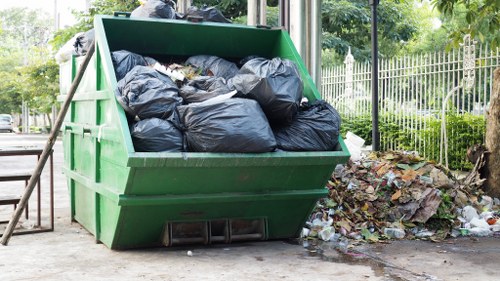
Customers often want to know what they are paying for and what level of help is included. While exact inclusions vary, a council waste collection service is generally designed to handle the waste removal itself from start to finish.
Common inclusions may involve:
- Collection of agreed waste from the property or kerbside
- Loading and removal by the collection team
- Transport away from the site
- Responsible sorting and disposal of the waste
- Support with access planning where needed
Some jobs may also involve additional help, such as clearing a garage, basement, shed, loft, or communal storage area. If the waste is scattered across several rooms or outdoor spaces, it is useful to explain that in advance so the team can estimate the work accurately.
Important note: not every collection is the same. Large furniture, heavy appliances, mixed materials, and awkward access can all affect the amount of time and labour required. That is why clear details matter when you request a quote.
What the service is designed to solve
This kind of collection is ideal when you want a practical alternative to struggling with waste yourself. Instead of hiring a vehicle, arranging multiple trips, or dealing with heavy lifting on narrow London streets, you can have a team take care of the removal in one visit where possible.
Pricing factors to consider
Customers looking for council waste collection London options usually want a fair, clear price based on the job rather than a guess. Exact costs depend on several practical factors, and it helps to understand what may affect the final quote.
Common pricing factors include:
- The volume of waste to be collected
- The type of waste and whether any items need special handling
- How easy it is to access the property
- Whether items need to be carried from inside the building
- If there are stairs, lifts, or long walking distances
- Parking conditions near the property
- Whether the collection is planned or urgent
For example, a small number of bagged items from a ground-floor flat in a quiet road may be simpler than removing several bulky items from a fourth-floor apartment in a busy part of central London. Similarly, commercial waste from a shop or office may require collection outside trading hours to keep disruption to a minimum.
Requesting a free quote is often the easiest way to understand the likely cost. If you can share photos, item lists, and access notes, the quote is usually easier to assess accurately.
Preparation checklist before your collection
A little preparation can make council waste collection in London much easier on the day. It helps the team work quickly and avoids confusion about which items should be taken away.
Before the collection, try to:
- Separate the items you want removed from anything you plan to keep.
- Check whether the waste includes any restricted materials.
- Make sure the team can access the area safely.
- Move light items together where possible, if safe to do so.
- Let the provider know about stairs, lifts, or tight entrances.
- Confirm parking or loading restrictions if they are relevant.
If you live in a block of flats or managed building, it may also help to check whether there are any rules about collection times, use of shared entrances, or temporary obstruction in communal spaces. This is especially useful for larger jobs where the team may need a little extra time to load items.
Small steps that make a big difference
Labeling items, separating recyclables where requested, and clearing a route to the waste can speed things up significantly. Even when the collection team is doing the heavy lifting, good preparation helps keep the job safe and efficient.
Helpful tip for busy households
If your collection is being arranged during a move, renovation, or end-of-tenancy clean, it is worth scheduling it after you have decided what is staying and what is going. That avoids accidental removal of items you still need and keeps the process simple.
Commercial waste and property management needs
Waste collection is not just a residential issue. Across London, shops, offices, cafés, and managed buildings all produce rubbish that needs reliable handling. In busy commercial settings, waste can quickly create access issues, hygiene concerns, and complaints if it is not collected promptly.
Commercial customers often need help with:
- Office clear-outs and furniture removal
- Packaging and mixed waste after deliveries
- Refurbishment debris from small works
- End-of-lease clearances for business premises
- Regular support for communal bin stores and service areas
For property managers, consistency is especially important. When waste collections are handled properly, communal areas stay cleaner, residents are happier, and the building is easier to manage. In a city like London, where many buildings are close together and shared spaces see heavy use, this can have a noticeable impact on daily operation.
Choosing the right service for your property
Not every waste collection is right for every customer. The best choice depends on the property type, the amount of rubbish, the access available, and how quickly the waste needs to go. When you are comparing options, it is worth looking for a provider that listens carefully and explains the process clearly.
Ask yourself:
- Do I need a one-off collection or repeat support?
- Is the waste mostly household, bulky, commercial, or mixed?
- Will the team need to carry items from inside the property?
- Are there access challenges such as stairs, basements, or parking limits?
- Do I need the collection to happen at a specific time?
If the answer to any of these is yes, it is worth choosing a provider that understands the practical side of London waste removal. That kind of service is often the difference between a collection that feels stressful and one that feels well managed from start to finish.
Contact us today if you are ready to discuss your collection needs or want to request a free quote. A short conversation can help determine the right approach for your property.
Frequently asked questions
Can council waste collection handle bulky items?
Yes, in many cases bulky items such as sofas, wardrobes, mattresses, and tables can be collected. The exact items accepted will depend on the service and any handling restrictions that apply, so it is best to list them clearly when you enquire.
Do I need to move the waste outside before collection?
Not always. Some collections are arranged from inside the property, while others are kerbside or from a designated collection point. It depends on access, building rules, and the arrangement agreed in advance. Always check what is expected before the visit.
What if I live in a flat with no parking outside?
This is common in London. A local team can often work with parking restrictions, loading bays, or nearby access points. Make sure you explain the situation so the collection can be planned properly.
Can commercial waste be collected as well as household waste?
Yes. Many London customers book collections for shops, offices, and managed buildings. Commercial waste, office furniture, and refurbishment debris are often included, subject to the accepted waste types.
How far in advance should I book?
That depends on how urgent the job is and how busy the schedule is. If your waste is causing problems now, it is worth enquiring as soon as possible. For planned moves or clear-outs, booking ahead can make everything easier.
Is this suitable for end-of-tenancy clearances?
Absolutely. End-of-tenancy waste collection is one of the most common reasons people arrange a service in London. It is useful for removing unwanted furniture, bagged rubbish, and leftover items before cleaning or handover.
Ready to arrange council waste collection in London?
If you are dealing with unwanted rubbish, bulky items, or a property that needs clearing quickly, a local collection service can make the process far simpler. From residential flats and terrace houses to offices, shops, and managed buildings, the right team will understand the realities of London access and work efficiently around them.
Request a free quote when you are ready, and share as much detail as you can about the waste and access. That helps build a collection plan that suits your property and your timetable.
Book your service now if you want a straightforward way to deal with waste without the hassle of transport, lifting, or multiple trips. Whether it is a small household clear-out or a larger commercial job, local support can help keep your space clear and manageable.
For customers across the capital, council waste collection in London is about more than removing rubbish — it is about making property care easier, safer, and better suited to city living.