Flat Clearance in London: A Practical Local Service for Homes, Flats, and Managed Properties
Fast, Reliable Flat Clearance for London Residents

If you are looking for flat clearance in London, you are probably dealing with a real-life situation that needs care, speed, and a practical plan. It might be a rented flat that needs emptying before a new tenancy begins, a leasehold property that has to be cleared after a move, or a family home where years of belongings now need sorting, removing, and responsibly handled. Whatever the reason, a professional flat clearance service can take a heavy task off your shoulders and turn it into a manageable, well-organised process.
London properties come in many shapes and sizes, from compact studio flats in Zone 1 to larger ex-local authority apartments, converted Victorian terraces, new-build developments, mansion blocks, and purpose-built estates. Each type brings its own challenges. Narrow staircases, limited lifts, permit-controlled streets, shared entrances, and parking restrictions can make clearing a flat much more difficult than clearing a house outside the city. That is why local knowledge matters. A London team understands the pace, access issues, and property types that customers face every day.
Whether you need a full flat emptied or only specific items removed, the right service should feel straightforward from the first enquiry. Customers want a clear explanation of what is included, how long it may take, how access is handled, and what can happen to unwanted furniture, appliances, and general household items. A good flat clearance company in London should give you practical support, not unnecessary hassle, and should work around your timetable as much as possible.
When a Flat Clearance Service Becomes the Right Choice

There are many situations where a flat clearance service becomes essential rather than optional. A landlord may need to prepare a rental property quickly between tenancies. A homeowner may be moving abroad and needs the flat cleared before completion. A family may be handling a probate property after bereavement and wants the process managed with sensitivity. Estate agents, letting agents, managing agents, and block managers also often need reliable help when a flat must be emptied within a fixed timeframe.
In London, timing is especially important. Lease completion dates, end-of-tenancy deadlines, building access windows, and waste collection schedules can all create pressure. A professional team can help reduce delays by planning the clearance carefully, arriving with the right vehicle size, and using an efficient loading process. This is particularly useful in busy boroughs such as Camden, Islington, Southwark, Hackney, Kensington and Chelsea, Westminster, Lambeth, Wandsworth, and Ealing, where access rules and traffic can affect the job.
Flat clearances are not only about removing rubbish. They often involve sorting items into categories: furniture for removal, reusable goods for donation or resale routes where appropriate, and materials that must be treated as waste. That difference matters, because customers want to know that the job is being handled responsibly and that usable items are not being treated as disposable without reason. A professional service can help you manage the contents of a flat in a way that is both practical and respectful.
What Is Included in Flat Clearance in London
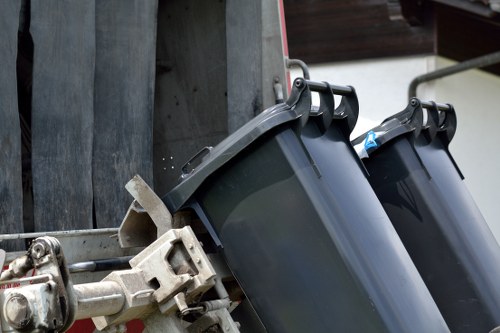
Every property is different, but a typical flat clearance in London may include the removal of a wide range of household and domestic items. Depending on your needs, this can cover furniture, beds, wardrobes, sofas, tables, chairs, white goods, small appliances, boxes, general bric-a-brac, books, clothes, and mixed contents from cupboards, storage areas, and loft-style spaces where accessible. Some customers only need a few bulky items taken away, while others require a full clear-out of the entire flat.
A well-organised team will usually discuss access, volume, and any special items before the visit so that the clearance runs smoothly. In many London flats, stair-only access, small lifts, shared hallways, and restrictions on loading can affect how the work is planned. A local crew that knows how to work in tightly packed streets and apartment blocks can save time and avoid unnecessary disruption to neighbours or building management.
Depending on the job, services may also include:
- Removal of bulky items such as sofas, wardrobes, mattresses, and appliances
- Partial or full flat clearance depending on how much needs to go
- Sorting and separation of reusable, recyclable, and waste materials
- Careful handling around shared areas, stairwells, and communal entrances
- Cleaning the space after removal where requested or included as part of the agreed service
Types of London Properties We Commonly Clear

London’s housing stock is varied, and that variety affects how a flat clearance is handled. A modern riverside apartment may have lift access and underground parking, but it may also have strict concierge procedures and time-limited loading bays. A converted maisonette may have awkward staircases and low ceilings. A council or housing association flat may require coordination with estate rules or neighbour-sensitive scheduling. A period conversion in a busy conservation area can add parking and access challenges as well.
For customers, this means a service has to be adaptable. A team doing flat clearance in London should be able to manage different building layouts and respect the realities of city living. That includes being considerate in shared hallways, working efficiently when parking is tight, and planning the route for removing heavy furniture without causing damage to walls, floors, or common areas. For local customers, this can make the difference between a stressful experience and a smooth one.
We commonly help with:
- Studio flats and one-bedroom apartments
- Family-sized flats in mansion blocks and estates
- Converted flats in terraced or semi-detached properties
- New-build apartments with managed access requirements
- Rented properties at the end of a tenancy
- Probate and estate flats needing sensitive clearance
Support for both residential and commercial customers
While many enquiries come from private households, flat clearance can also support commercial clients. Letting agents may need a turnaround between tenancies. Block managers may need a flat cleared after long-term abandonment or tenant departure. Housing teams and property professionals often need a dependable, local response when flats are left with contents that must be removed quickly and properly. A service that understands both residential and commercial needs can be a useful partner across different situations.
How the Flat Clearance Process Usually Works

Customers often want to know exactly what happens when they book a flat clearance. The process should be clear, convenient, and easy to follow. A good local company will normally begin by understanding the size of the property, the type of items to be removed, the access conditions, and your preferred timeframe. In some cases, photos or a short description are enough to provide an initial estimate of the likely effort involved. For larger or more complex flats, a more detailed discussion may be helpful.
Once the job is agreed, the team will arrange a suitable time to attend. On the day, they will usually confirm the items to be removed, protect the property where necessary, and work through the flat in a planned order. Heavy items are taken out first or last depending on access, and the team should aim to keep disruption to a minimum. In London, where neighbours are often close by and buildings have shared access, professional and respectful behaviour is especially important.
The usual process includes:
- Initial enquiry and discussion about the property and items
- Assessment of access such as stairs, lifts, parking, and building restrictions
- Agreed booking for a suitable day and time
- On-site clearance with items removed efficiently and safely
- Responsible handling of contents after collection
Request a free quote if you want a clearer idea of the work involved. That first step can make the whole process feel much more manageable.
Why Local Knowledge Matters in London
Access, parking, and building rules can change everything
London is not an easy city for moving large items. Parking restrictions are common, loading spaces can be limited, and many streets require careful planning to avoid delays. In some areas, especially around central boroughs, a clearance team may need to work within narrow time windows or make use of controlled access points. In outer areas such as Richmond, Barnet, Greenwich, Hounslow, Bromley, or Harrow, the property layout may be more spacious but the route to the flat can still create challenges through shared entrances, estate roads, or restricted parking.
A local flat clearance company understands that time matters. If you are moving out, handing the keys back, preparing for sale, or dealing with a flat left in an unmanageable condition, you need a team that can respond quickly and work methodically. Local knowledge also helps when planning around school runs, traffic hotspots, busy high streets, and permit zones. Those practical details may seem small, but they can have a big effect on the smooth running of the job.
For customers, choosing a London-based service often means better communication, quicker scheduling, and a more realistic understanding of the property you have. A team familiar with local buildings and neighbourhood patterns can often anticipate issues before they become problems. That can save time, reduce stress, and make the whole clearance feel more under control.
Areas where local experience is especially useful
Local experience is particularly valuable in dense urban areas with limited curb space, older converted properties with awkward stairways, estates with controlled access, and managed developments where permission may be needed before any removal takes place. A crew that has worked across London will usually be better prepared for these conditions.
What Can Affect the Price of a Flat Clearance
Many customers want to understand the main factors that influence pricing before they book. While exact costs depend on the specific property and contents, several things commonly shape the quote. The volume of items is one of the biggest factors, because a nearly empty one-bedroom flat is very different from a fully furnished two-bedroom apartment packed with furniture and mixed contents. Access also plays a role, especially where items need to be carried down multiple flights of stairs or through long internal corridors.
Other factors may include the type of items being removed, whether the clearance is partial or full, whether the property is on a managed estate with stricter access rules, and whether there are heavy or awkward pieces to handle. In London, parking arrangements can also affect planning, especially if a vehicle cannot be left nearby or if a loading permit or timed arrival is needed. If the flat contains items that require extra sorting or special handling, that may also be reflected in the final arrangement.
When comparing options, it is sensible to ask what is included, how the visit is organised, and whether the company can deal with the building conditions you have. A clear and honest explanation is often more useful than a vague promise. Request a free quote and give as much detail as possible so the service can be matched to your property properly.
- Size of the flat and quantity of contents
- Floor level and lift availability
- Parking distance and access restrictions
- Type of items, including bulky furniture or appliances
- Any deadlines such as move-out dates or handover times
How to Prepare for a Flat Clearance
Preparing for flat clearance does not have to be complicated, but a little organisation can make everything run more smoothly. If possible, separate any items you want to keep, especially important documents, valuables, photographs, sentimental belongings, keys, and personal records. In probate situations or family clearances, it can help to identify items that need to be checked before removal. If you live in a managed building, it may also be wise to inform the concierge, landlord, letting agent, or block manager if access arrangements need to be coordinated.
For shared properties or flats with communal entrances, it is helpful to think about access times and how the team will reach the flat without disrupting neighbours. If parking is restricted, details about nearby loading bays or permit zones can be useful. For older buildings, mention any narrow stairs, low ceilings, or tight turns. These details help the team bring the right equipment and plan the most suitable approach.
A simple preparation checklist can include:
- Remove personal and valuable items in advance
- Identify anything that should stay in the flat
- Tell the company about stairs, lifts, or parking restrictions
- Check whether building permission or notice is required
- Make sure the clearance date fits your moving, tenancy, or sale schedule
If you are short on time, do not worry. A good service can still help even when the flat has not been fully sorted. The aim is to make the job easier for you, not add extra pressure.
Responsible Handling of Items After Removal
Many customers asking about flat clearance in London want to know what happens after the items are taken away. Responsible handling is an important part of the service. Depending on the contents, items may be sorted for reuse, recycling, or waste processing. The exact route depends on the condition and type of goods, but the principle is simple: use suitable methods and avoid unnecessary landfill where alternatives are available.
This is especially important when clearing flats that contain a mix of furniture, domestic appliances, books, textiles, and general household contents. A professional service should be organised enough to separate different materials sensibly and handle them through the appropriate channels. Customers value this because it gives peace of mind that the clearance is being carried out with care and attention to practical responsibility.
For some clients, the question is not just about emptying the flat; it is also about doing so in a way that feels respectful. This can be especially true in probate cases, downsizing moves, long-term rentals, or commercial handovers. A considerate approach can make a difficult task feel more manageable, while still being efficient and purposeful.
Items often handled during a flat clearance
- Bed frames, mattresses, and bedroom furniture
- Wardrobes, drawers, and storage units
- Sofas, armchairs, side tables, and living room furniture
- Kitchen items, small appliances, and white goods
- Boxes, clothing, books, ornaments, and mixed household contents
Why Choose a Local Company for Flat Clearance in London
Choosing a local company can make a noticeable difference. London is a city where experience counts: from busy roads and controlled parking to estate management rules and building access procedures, a local team is more likely to understand what needs to happen before they arrive. That means fewer surprises and a smoother job overall. It also means the service can be better suited to real local conditions rather than a one-size-fits-all approach.
A local team is often easier to schedule for urgent or time-sensitive clearances. This is useful if you have a deadline for moving out, if a property needs to be handed back quickly, or if you are preparing a flat for sale or let. Local knowledge can also help when a building has unusual access arrangements, such as concierge check-in, service lifts, or limited loading hours. In these situations, a team that understands the pace of London property work can be especially helpful.
Many customers also prefer working with a company that understands the variety of London homes. A flat in Clapham may involve different practical issues from one in Stratford, Acton, Peckham, Dulwich, Tooting, Finchley, or Woolwich. By taking the local context seriously, the service can be more relevant, more efficient, and easier to trust.
Book your service now if you are ready to clear space and move forward without delay.
Flat Clearance for Landlords, Tenants, and Property Professionals
Flat clearance is not only for private households. Landlords often need help between tenancies, especially when former occupants leave behind furniture, broken items, bags of mixed contents, or unwanted belongings. Letting agents may need a quick response when a flat has to be prepared for viewings, cleaning, or refurbishment. Property managers and housing teams may also need clearance work after tenancy changes or estate issues.
For these customers, the service needs to be practical and dependable. Deadlines are often tight, and the property may need to be ready for contractors, cleaners, or new occupants shortly after the clearance. A local London team that works efficiently, communicates clearly, and understands building access can be a real asset in these circumstances. It can reduce downtime and help keep the property moving through its next stage.
There is also value in choosing a service that understands how to work in occupied blocks and managed buildings. Respect for neighbours, shared spaces, and building procedures matters in residential developments. A professional clearance team should aim to minimise disruption while completing the work thoroughly and safely.
Areas Covered Across London
Flat clearance services are commonly needed across all parts of London, from central districts to outer boroughs. Customers may live in busy inner-city locations, suburban residential streets, or larger estates on the edge of the capital. Because every area has its own parking rules, street layouts, and property styles, a flexible local approach is especially useful.
Typical areas covered may include central, north, south, east, and west London, along with neighbourhoods and boroughs such as:
- Camden and Islington
- Hackney and Tower Hamlets
- Southwark and Lambeth
- Wandsworth and Kensington & Chelsea
- Westminster and the City fringe
- Ealing, Hounslow, and Brent
- Bromley, Greenwich, and Lewisham
- Richmond, Harrow, Barnet, and surrounding areas
If you are unsure whether your area is covered, a local service can usually confirm quickly and advise on the best way to handle your flat clearance. The main point is to match the service to the property, the access conditions, and the timescale you are working to.
Frequently Asked Questions
How long does a flat clearance usually take?
The time needed depends on the size of the flat, the amount of contents, access conditions, and whether the property is on a high floor or has limited parking. A small flat with straightforward access may be cleared relatively quickly, while a larger or heavily furnished property will naturally take longer.
Can you clear a flat with no lift?
Yes, many London flats are serviced via stairs only. The team just needs to know the details in advance so that they can plan the job properly and bring enough labour for safe removal.
Do I need to sort everything before the clearance?
No, not necessarily. It helps to remove personal valuables and anything you want to keep, but the service can usually handle mixed contents. If some items are staying and others are going, it is useful to label them or set them apart clearly.
What if the flat has a lot of bulky furniture?
Bulky furniture is a common part of flat clearance in London. Sofas, wardrobes, beds, and appliances can usually be removed as part of the agreed service, although access details should be shared beforehand so the job can be planned correctly.
Do you handle probate flat clearances?
Yes, probate and estate clearances are one of the common reasons customers need a flat emptied. These situations often require a careful, respectful approach, and local support can make the process feel less overwhelming.
Can the service work around move-out dates or handover deadlines?
Yes. Many customers book a clearance specifically because they have a deadline for keys, tenancy end dates, or property completion. The earlier you arrange the booking, the easier it is to plan the visit around your schedule.
Ready to Clear Your Flat?
Whether you are dealing with a small apartment, a family-sized flat, a rented property, or a managed building with access restrictions, a professional flat clearance service can make a difficult task much easier. The right local team should be practical, considerate, and responsive to the realities of London living. From parking issues and stair-only access to time-sensitive move-outs and estate clearances, the service should be designed around your needs.
If you are comparing options for flat clearance in London, look for clear communication, flexible scheduling, and a team that understands both the property and the area. That combination helps the work run smoothly and gives you confidence that the job will be handled properly from start to finish.
Contact us today to discuss your flat, ask about availability, or request a free quote. If you are ready to reclaim your space, book your service now and take the next step with confidence.