Waste Collection in London
Reliable Local Waste Collection for Homes and Businesses

If you are looking for waste collection in London, you probably want a service that is straightforward, punctual, and suited to the realities of city living. London properties come in many forms: basement flats in Islington, terraced houses in Clapham, mansion blocks in Kensington, warehouses near Docklands, retail units in Camden, and busy offices across the City. Each location brings its own access challenges, parking restrictions, staircases, shared entrances, time limits, and loading requirements. A local waste collection service is designed to deal with those practical issues without creating extra stress for you.
Whether you need a one-off rubbish collection after a clear-out or regular waste removal support for a commercial site, the right team can save time, reduce disruption, and help you keep your property tidy and compliant. London waste collection is not just about taking things away; it is about handling bulky items, mixed rubbish, garden waste, and business refuse in a safe, organised way that fits into the rhythm of the city.
Many customers search for waste removal in London when they are dealing with an urgent situation: moving home, clearing an office, finishing renovation work, or removing accumulated junk from a loft, garage, or storage room. Others simply want a reliable recurring collection arrangement so rubbish does not build up at all. In either case, a local service gives you the flexibility to book the level of support you need, when you need it.
What Our Waste Collection Service Covers

Professional waste collection typically covers a wide range of household and commercial items, making it a practical alternative to trying to manage everything yourself. For many London customers, the value lies in being able to remove different waste streams in one visit, especially when space is limited and trips to the tip are inconvenient.
Common items collected include furniture, white goods, office furniture, general junk, packaging, garden debris, shop waste, and renovation offcuts. Depending on the job, the team may also help with sorting materials so recyclable items are separated from general refuse where possible. This is especially useful for mixed loads from flats, offices, and shop refurbishments where waste can quickly become difficult to manage alone.
It is also useful for customers who need a local waste collection solution for bulky items that are hard to move through narrow hallways, up tight stairwells, or out of properties with limited lift access. The aim is to make removal as efficient as possible while protecting your walls, floors, and communal areas.
Typical waste types collected
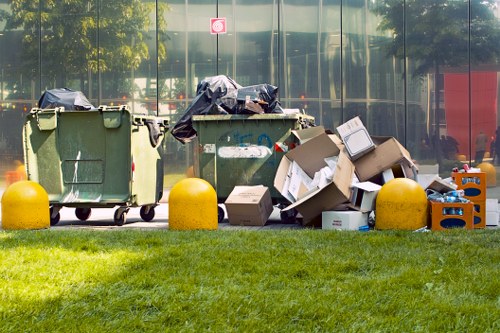
Different properties generate different kinds of waste, and a good service should be able to handle a broad mix. This is particularly important in London, where residential and commercial spaces often sit side by side and waste can vary from domestic clutter to trade materials.
- General household rubbish and bagged waste
- Bulky furniture such as sofas, wardrobes, tables, and mattresses
- Appliances and electrical items
- Office clearance waste, desks, chairs, shelving, and files
- Shop and retail waste, including packaging and display materials
- Light construction and refurbishment debris
- Garden waste, branches, soil, and cuttings
- Garage, shed, loft, or basement clear-out items
If you are unsure whether a particular item can be included, it is usually best to ask before booking so the collection can be planned properly. This helps avoid delays on the day and ensures the team arrives with the right vehicle, labour, and handling equipment.
Clear communication before collection matters. London streets can be busy, parking can be restricted, and many properties have access rules. Giving accurate details about item size, quantity, access points, and timing helps the process run smoothly from the start.
Why London Customers Choose a Local Waste Collection Team

A local waste collection company understands the realities of working across London boroughs. In some streets, parking is limited to a short loading window. In others, a collection vehicle may need to wait for lift access, concierge clearance, or a resident permit area. For commercial sites, there may be timed deliveries, shared yards, or health and safety procedures to follow. A London-based team is better placed to plan around all of this.
The benefit of using a nearby service is not just convenience. It can also mean faster response times, better familiarity with local access conditions, and a more practical approach to scheduling. That matters whether you are in Southwark, Ealing, Hackney, Hammersmith, Greenwich, Brent, Lambeth, or further out in outer boroughs where access can still be tight but routes may differ.
Choosing a local provider for waste collection in London can also support more efficient handling of your rubbish. Jobs can often be completed in a single visit if the team understands the site and brings the correct equipment. That reduces disruption for families, tenants, landlords, managing agents, shop owners, and office managers alike.
Residential waste collection across London
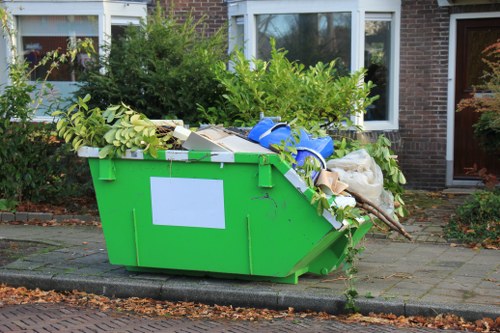
Residential rubbish removal is one of the most common reasons people book a waste collection service. London homes often have limited storage, which means waste can quickly pile up in kitchens, hallways, under-stair cupboards, balconies, sheds, or communal bin areas. A one-off collection can be the simplest way to reclaim space without spending your weekend making repeated trips.
Homeowners, tenants, landlords, and letting agents all use waste collection for different reasons. Tenants may need help at the end of a tenancy. Landlords may need a flat cleared between occupancies. Families may be decluttering before a move. Older properties with lofts, cellars, and outbuildings can also generate more waste than expected during a clear-out. In each case, the service is designed to be practical, discreet, and efficient.
Common residential jobs include:
- End-of-tenancy rubbish removal
- House clearances after a move
- Loft, cellar, and garage clear-outs
- Bulky item collection from flats and maisonettes
- Garden clearance and outdoor waste removal
- Post-renovation rubbish and packaging collection
For many customers, the key benefit is simply peace of mind. Instead of worrying about where everything will go, you can book a collection and have the space cleared in a single appointment.
Commercial Waste Collection for London Businesses
London businesses need dependable waste collection because downtime is costly and premises must stay presentable. Offices, shops, restaurants, cafes, salons, workshops, and warehouses all produce different forms of waste, and those volumes can change quickly during busy periods, refurbishments, relocations, or seasonal peaks.
Commercial waste collection is especially useful when you need items removed outside your busiest hours or around opening times. Office clearance jobs often involve furniture, documents, screens, and storage units. Hospitality sites may need packaging, damaged stock, or fit-out waste removed. Retail units often need fast turnaround after refits or stockroom changes. A flexible local service can help avoid clutter and keep operations running smoothly.
Businesses in central London often face added complications such as access control, basement storage, rear loading restrictions, shared service roads, and limited stopping times. A professional waste collection service can work with these conditions, helping to minimise disruption for staff, customers, and neighbouring properties.
Business sectors commonly served
Waste collection in London is suitable for a broad range of organisations, including:
- Offices and coworking spaces
- Retail stores and showrooms
- Hospitality venues
- Schools and educational premises
- Property managers and estate agents
- Trades and refurbishment contractors
- Warehouses and light industrial sites
For business clients, regularity and reliability matter just as much as speed. A dependable collection helps you keep service areas tidy, reduce trip hazards, and maintain a professional environment.
How the Waste Collection Process Works
The process is usually simple, which is one reason so many London customers prefer professional collection over doing it themselves. You explain what needs removing, provide a few details about access and volume, and arrange a suitable time. On the day, the team arrives, assesses the load, and carries out the removal efficiently.
Many customers appreciate that there is no need to hire a vehicle, spend time loading and unloading, or worry about navigating unfamiliar disposal rules. For residents without a car, or for businesses that cannot spare staff time, this can make a significant difference. It is especially helpful in dense parts of London where local streets, building layouts, and loading arrangements can complicate DIY disposal.
The usual collection process includes:
- Sharing details of the items and access conditions
- Receiving a quote based on the job information
- Booking a suitable collection slot
- Preparing items so they are easy to collect
- Collection and loading by the team
- Final removal and responsible handling of the waste
Before booking, it helps to mention stairs, lift availability, restricted parking, time-sensitive entry procedures, or any awkward items that may need special handling. That way, the collection can be planned accurately.
Preparation Checklist Before Your Collection
Good preparation makes waste collection quicker and more efficient. In London, where access can be tight and timing matters, even small steps can make a noticeable difference. It is not about overcomplicating the job; it is about making sure the team can get in, load safely, and finish without unnecessary delays.
Start by identifying everything that needs to go. Separate items you definitely want removed from anything you may still need. If waste is stored in different rooms or areas, it can help to group it together where possible. If items are in a basement, on an upper floor, or in a garden at the back of the property, let the service provider know in advance so they can plan accordingly.
Useful preparation tips:
- Check whether access details need to be shared in advance
- Move waste to a convenient pickup point if it is safe to do so
- Keep walkways clear for safe lifting and carrying
- Separate items you want kept from items to be removed
- Tell the team if any items are heavy, fragile, or awkward
- Let building management know if collection access needs approval
These small steps can help the appointment go smoothly, especially in apartment blocks, office buildings, and properties with shared entrances or controlled access.
What Affects the Price of Waste Collection in London
People often want to know what influences the cost of waste collection before they book. While exact prices vary from job to job, the main factors are usually easy to understand. The total can depend on the amount of waste, the type of materials, the time required, the location, and how simple or difficult the collection is to complete.
For example, a ground-floor flat with easy roadside access may be quicker to clear than a top-floor apartment with no lift. A single bulky item will generally be more straightforward than a full property clearance. Commercial waste may also involve different considerations if the collection needs to happen outside business hours or at a particular loading point.
Common pricing factors include:
- Volume and weight of waste
- Type of materials being removed
- Access conditions and parking constraints
- Number of labourers needed
- Distance to the property within London
- Urgency or same-day requirements
- Any special handling involved
Requesting a quote is the best way to understand the likely cost for your specific job. A clear description and a few photos can often help the provider estimate the work more accurately.
Areas Covered Across London
Waste collection is needed throughout the capital, from central boroughs with busy high streets to residential neighbourhoods and mixed-use districts. Because London is so varied, a local team needs to be familiar with different property styles, routes, loading arrangements, and parking rules across the city.
Services are often requested in areas such as Westminster, Camden, Islington, Hackney, Tower Hamlets, Southwark, Lambeth, Kensington and Chelsea, Hammersmith and Fulham, Greenwich, Lewisham, Wandsworth, Merton, Brent, Ealing, Hounslow, Barnet, Enfield, Richmond, and beyond. Many customers also need collections in nearby districts where homes, shops, and offices sit close together and access can be complex.
Typical locations where waste collection is useful:
- Flats and apartment blocks
- Terraced homes and semi-detached houses
- Converted buildings and mansion blocks
- Office floors and shared workspaces
- Retail units and high street premises
- Industrial estates and storage units
- Schools, managed estates, and public-facing buildings
If your property is in a busy part of London, mentioning nearby landmarks or access issues when booking can help the team plan the safest and most efficient route to your items.
Why this service is useful for London property types
London has a huge mix of properties, and each type creates different waste removal challenges. New-build apartments may have lift access but strict concierge procedures. Period terraces may have narrow hallways and awkward stairs. Basement conversions often involve carrying items up several levels. Commercial buildings can require booking loading bays, service lifts, or security clearance. A flexible waste collection service can adapt to all of this more easily than a one-size-fits-all approach.
That flexibility is especially important for customers in busy areas such as Shoreditch, Battersea, Stratford, Hammersmith, and Canary Wharf, where multiple users share entrances, delivery windows are tight, and any delay can create knock-on effects. Having a local team that understands these practicalities helps reduce friction on the day.
For landlords and managing agents, regular or occasional waste collection can also support better presentation of a building. Overflowing bin stores, unwanted furniture, or abandoned items in communal spaces can create complaints and inconvenience residents. Prompt removal keeps shared areas usable and tidy.
What Makes a Good Waste Collection Service?
When choosing a provider, customers usually want more than just a vehicle and a pair of gloves. They want a service that is organised, respectful, and responsive to the realities of the property. A good team should be clear about what it can collect, how the appointment will work, and what information it needs from you before arrival.
You should also look for a provider that is easy to communicate with, especially if your property has unusual access or if the job involves multiple rooms, mixed waste, or commercial constraints. Good waste collection is about logistics as much as labour, and the best services understand that London jobs often require careful planning.
Signs of a professional approach include:
- Clear questions before the job is booked
- Willingness to discuss access and parking
- Practical handling of bulky or awkward items
- Respect for property interiors and communal areas
- Flexibility for domestic and commercial customers
- Straightforward explanations of what the service includes
When these basics are in place, the collection is much more likely to be fast, smooth, and stress-free.
Frequently Asked Questions
Can you collect waste from flats with no lift?
Yes, many London collections involve stairs, and that is common in older properties and converted buildings. It helps to mention the floor level and whether access is narrow so the team can plan the job correctly.
Do I need to sort everything before collection?
Not always. A lot depends on the type of waste and how mixed the load is. However, separating items where possible can make the process faster and may help with recycling-friendly handling.
Can you remove bulky furniture and appliances?
Yes, bulky items are one of the main reasons customers book waste collection in London. Sofas, wardrobes, beds, fridges, desks, and other large objects are often part of residential and commercial jobs.
Is same-day collection possible?
In some cases, yes, depending on availability and the details of the job. If your waste needs removing urgently, it is best to request a quote as early as possible.
What if my building has restricted parking?
That is very common in London. Let the team know about parking restrictions, loading windows, or permit requirements before booking so arrangements can be made in advance.
Do you handle both one-off and regular collections?
Many customers need a single clearance, while others want ongoing support. Waste collection can be arranged for both residential and commercial needs, depending on the property and volume of waste.
Book Waste Collection in London with Confidence
If you need waste collection in London, the best next step is to request a quote based on your actual items and access details. That gives you a clearer idea of how the service will work and helps avoid unnecessary delays. A local team can often provide the practical support you need for flats, houses, shops, offices, and mixed-use properties across the city.
From clearing out a single bulky item to handling a full property or business waste removal, the aim is the same: make the job easy for you and remove the waste efficiently. That is especially valuable in London, where time, space, and access are often limited.
Contact us today to discuss your collection, ask about what can be removed, and arrange a suitable time. If you are ready to move ahead, request a free quote and book your service now so you can clear the space without the hassle.
Whether you are a homeowner, tenant, landlord, office manager, shop owner, or property professional, a dependable collection service can help keep your London property clean, clear, and easier to manage.
Looking for a practical local solution?
Choose a team that understands London streets, building access, parking restrictions, and the different demands of residential and commercial waste. With the right support, waste removal becomes one less thing to worry about.