Recycling and Sustainability at London Rubbish Clearance
 At London Rubbish Clearance, sustainability is built into every collection. Our approach to recycling in London focuses on reducing what goes to landfill, recovering usable materials, and supporting the circular economy across the city. We aim for a minimum recycling and recovery target of 90% for suitable loads, with careful sorting and routing to the most appropriate local facilities. By separating waste streams early, we can divert materials such as metal, wood, cardboard, plastics, soil, and appliances into specialist processes rather than treating them as general refuse.
London is a city of varied waste needs, so our rubbish clearance sustainability strategy reflects the way different boroughs manage household and commercial materials. In many parts of the capital, residents are familiar with separate collections for dry mixed recycling, food waste, garden waste, and residual rubbish. We support that borough-level approach by keeping recyclable items distinct where possible during clearance, which improves the quality of recovered materials and helps ensure they are processed efficiently at the right facility.
Our commitment to eco-conscious rubbish clearance also means making smarter decisions before disposal. Items that can be reused, repaired, or dismantled for parts are prioritised ahead of simple disposal. Where loads contain mixed materials, our team identifies the best recovery route, whether that means metal recycling, timber recycling, WEEE processing for electricals, or specialist handling for bulky items. 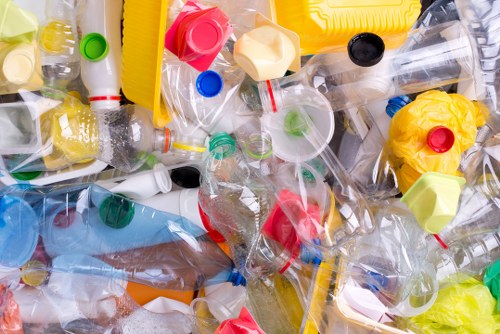 This practical method reduces unnecessary transport and supports cleaner recycling outcomes across Greater London.
Using Local Transfer Stations Responsibly
The city’s network of local transfer stations plays an important role in efficient waste management. By using local transfer stations strategically, London Rubbish Clearance helps reduce long haul journeys and keeps material moving through the closest suitable recovery route. This is especially important for mixed commercial clearances, refurbishment waste, and bulky household items, where efficient sorting can make a major difference to sustainability performance.
Our teams work with established London waste transfer stations that serve as sorting points before materials go onward to recycling plants, processors, or disposal sites. At these facilities, waste can be separated into usable fractions such as aggregates, scrap metal, cardboard, and green waste. This process complements the city’s broader waste separation culture, including boroughs that encourage residents to segregate recyclables at source. By aligning clearance work with these local systems, we support better material recovery and lower environmental impact.
In the middle of our operations,  we also consider how load composition affects carbon output. A van carrying a well-sorted load can complete one journey and send material directly to the right stream, while a poorly separated load may require additional handling and reprocessing. That is why our London rubbish removal recycling process begins with assessment, careful segregation, and responsible routing. Whether the waste comes from a flat in Islington, a shop in Lambeth, or an office in Southwark, the same principle applies: keep recyclable material moving toward recovery, not landfill.
Partnerships, Reuse, and Community Value
Another key part of our sustainability work is building partnerships with charities and reuse organisations. Many clearances include furniture, household goods, office equipment, or decor that still has life left in it. Through charity partnerships, we help direct suitable items to organisations that can redistribute them to people in need, community projects, or low-income households. This gives a second life to items that might otherwise become waste, while also reducing the demand for new production.
Our recycling and reuse partnerships are especially valuable in London, where frequent moves, office changes, and property refurbishments often create high volumes of usable goods. In some cases, sofas, desks, shelving, and white goods can be separated from general waste and passed to partner charities, provided they meet safety and condition standards. This is an important part of responsible rubbish clearance in London, because sustainability is not only about recycling materials; it is also about extending product life through reuse first, recycling second, and disposal last.
 We also work with local organisations where suitable to support furniture reuse, textile recovery, and household item redistribution. By treating each clearance as a potential resource stream, we reduce the amount sent to landfill and help strengthen community benefit. This approach is particularly relevant in boroughs where waste separation practices already encourage residents and businesses to think carefully about what can be reused, what can be recycled, and what must be disposed of. The result is a more circular and lower-waste system for the capital.
Low-Carbon Vans and Cleaner Collection Routes
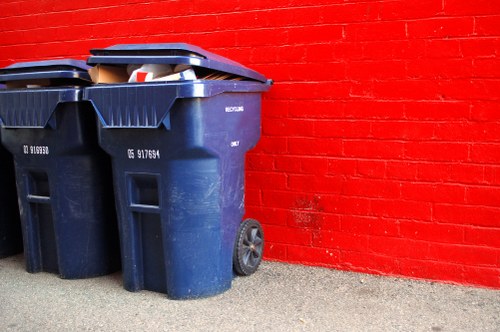 Transport is one of the biggest factors in the environmental footprint of waste removal, so we continue to invest in low-carbon vans and cleaner operational practices. Our vehicle planning is designed to reduce unnecessary mileage, avoid repeated trips where possible, and keep collections efficient. We use route optimisation, load planning, and careful scheduling to make sure each journey carries as much recoverable material as possible to the right destination.
The move toward lower-emission transport is a natural fit for sustainable rubbish clearance in a dense urban environment. London’s traffic patterns and emissions challenges mean every efficient route matters. By combining low-carbon vans with smarter transfer station use and improved sorting, we lower our impact while maintaining the flexibility needed for same-day and scheduled clearances. This is especially useful for collection areas with strong local recycling practices, where separating materials before transport helps reduce contamination and increase recovery rates.
Looking ahead, our sustainability commitment remains focused on measurable improvement. We will continue to raise our recycling performance, strengthen charity and reuse links, and expand the use of low-emission vehicles wherever possible. For customers seeking London Rubbish Clearance recycling services, the goal is straightforward: provide a professional clearance service that supports the city’s environmental ambitions, respects local waste systems, and turns more discarded material into reusable value. With each collection, we aim to prove that responsible rubbish clearance can be efficient, practical, and genuinely sustainable.