Junk Clearance in London
If you need junk clearance in London, you probably want more than someone to “take a few bits away.” You want a service that can handle awkward access, busy streets, tight stairwells, basement flats, office clear-outs, and the practical realities of living or working in the capital. Whether you are clearing a flat in Shoreditch, a family house in Wimbledon, a shop unit in Camden, or a rental property in Ealing, the right team can make the process straightforward, safe, and far less stressful.
London homes and businesses produce all kinds of unwanted items: broken furniture, white goods, old fittings, bagged rubbish, office equipment, renovation debris, and general clutter that has built up over time. Junk removal is often needed during moves, refurbishments, end-of-tenancy changes, probate clearances, garden tidy-ups, and post-builder clean-ups. A local service is valuable because it understands the pace of the city, the access issues, and the need to work efficiently without disrupting neighbours, tenants, staff, or customers.
Many customers search for a quick, reliable, and respectful clear-out service that can adapt to their property and schedule. That may mean clearing a single bulky item, removing a room full of unwanted contents, or dealing with a mixed load that includes recyclables and general waste. This page explains what is included, how the service works, what affects the price, and why using a London-based clearance team can be the most practical choice.
Why Junk Clearance Matters in London
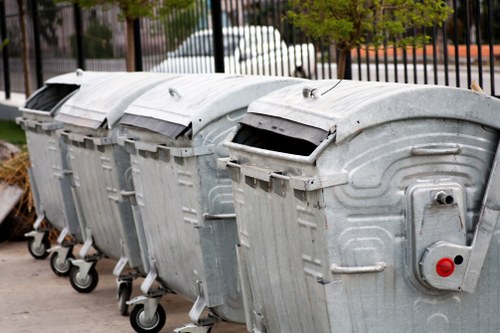
Space is valuable in London. Flats are compact, storage is limited, and many properties have shared entrances, narrow hallways, and restricted parking. As a result, clutter can build up quickly and create a real problem. Old mattresses, wardrobes, desks, appliances, builders’ waste, and broken outdoor items can make a property feel smaller, less usable, and harder to manage. When you need junk clearance in London, the aim is not just to “get rid of stuff”; it is to regain usable space with as little disruption as possible.
There are also practical timing pressures. Landlords may need a property cleared between tenancies, letting agents may need rooms emptied before photography or refurbishment, and businesses may need a workplace cleared out after an office move or fit-out. In busy parts of London such as Hackney, Clapham, Shepherd’s Bush, Stratford, Croydon, and Southwark, parking restrictions and traffic can make a self-managed clearance far more time-consuming than expected. A local crew understands these issues and can plan around them.
Another reason people choose professional rubbish clearance is safety. Heavy items can be difficult to carry down staircases, through communal areas, or out of basements and lofts. Some waste types also need proper sorting and handling. A good service helps reduce the risk of damage to walls, lifts, floors, and doorframes, while making sure the work is carried out in a tidy and considerate way.
What We Can Remove

Every property is different, and the contents that need removing can vary widely. A flexible clearance service should be able to deal with both domestic and commercial junk clearance, from a few awkward items to larger mixed loads. Typical items include furniture, appliances, and general household clutter, but the list does not end there.
Common items requested for removal include:
- Old sofas, armchairs, beds, mattresses, and wardrobes
- Desks, filing cabinets, shelving, and office chairs
- Fridges, freezers, washing machines, tumble dryers, and cookers
- Bagged household rubbish and general clutter
- Garden waste, broken outdoor furniture, and shed contents
- Builders’ waste such as timber offcuts, plasterboard, packaging, and scrap materials
- Retail waste, stockroom clutter, and display fittings
- Garage, loft, basement, and storage unit contents
Some customers also need help with partial clearances, where only selected items are removed and the rest stay in place. That can be useful for downsizing, reconfiguring a room, preparing a rental for new tenants, or simply making it easier to keep a property organised. If you have something unusual to remove, it is often best to ask in advance so the right vehicle, labour, and disposal approach can be arranged.
Residential Junk Clearance Across London

Residential customers often come to junk clearance services at moments when life is busy and the task feels too large to manage alone. This might be a flat in Islington with no lift, a terraced house in Hammersmith with limited front access, or a maisonette in Lewisham where bulky items need to be carried down several flights of stairs. In these situations, having a crew that knows how to work efficiently in London properties makes a real difference.
Home clear-outs are often needed for one of the following reasons:
- Preparing a home for sale or rent
- Clearing after a move or downsizing
- Removing furniture that no longer fits the space
- Emptying a loft, garage, cellar, or shed
- Handling probate or bereavement-related clearances
- Making room for renovation or decorating
For many households, the biggest challenge is not the lifting alone, but the coordination. There may be neighbours to consider, shared hallways to protect, permit or loading restrictions to think about, and a tight time window to work within. A London team can help reduce the stress by arriving prepared, working methodically, and removing items in a way that respects the property and the people around it.
Flats, maisonettes, and period homes
London’s housing stock is wonderfully varied, but it can make clearance more complicated. Victorian terraces may have narrow staircases and awkward turns. Purpose-built flats can involve lifts, concierge requirements, or loading bay access. Converted buildings may have limited outside space and shared entry systems. A practical junk clearance service adapts to the building rather than expecting the building to adapt to the service.
Commercial Junk Clearance for London Businesses

Commercial customers need a service that is efficient, discreet, and dependable. Offices, shops, cafes, restaurants, salons, warehouses, studios, and managed properties all generate waste and unwanted items in different ways. When a premises needs clearing, there is usually a business reason behind it: a relocation, a refurbishment, a closure, or simply the need to free up space that has become cluttered.
Commercial junk clearance in London may include:
- Office furniture and equipment removal
- Shopfitting waste and display fixtures
- Archiving and non-confidential waste removal
- Restaurant and hospitality clear-outs
- Stockroom and storage area clearances
- Warehouse and light industrial waste removal
- Post-refurbishment debris and packaging
Businesses often need work completed outside of peak trading hours or within a very specific timeframe. That is particularly important in parts of central and inner London where access is difficult and disruption needs to be kept low. A local team with experience in commercial work understands the importance of staying organised, removing items efficiently, and leaving the area ready for the next stage of the project.
Useful for landlords, agents, and property managers
Property professionals regularly need fast and practical help with end-of-tenancy clearances, void properties, abandoned furniture, and communal area clutter. A dependable clearance team can help prepare spaces for inspection, maintenance, cleaning, or re-letting without dragging the process out longer than necessary.
How the Service Works

The process for junk clearance in London should be simple and transparent. While every job is different, most customers want a straightforward experience from the first enquiry to the final sweep-up. The best services make it easy to explain what needs removing and easy to arrange a suitable time.
A typical process looks like this:
- Initial enquiry – You describe the items, the property type, and any access issues such as stairs, parking, or loading restrictions.
- Assessment – The team reviews the job details and may ask for photos to better understand the volume and type of waste.
- Booking – A time is agreed that suits your schedule, whether you are at home, at work, or managing a property remotely.
- Arrival and loading – The crew arrives prepared, lifts and loads the items safely, and works with care around the building.
- Sorting and disposal – Items are separated where possible for reuse, recycling, or responsible disposal.
- Final tidy-up – The area is left in a neat condition so you can move on with the next stage of your plans.
This approach is particularly useful for busy London customers who do not have time to organise transport, find volunteers, or make repeated trips to a disposal site. It also helps when you need the job done in one visit rather than stretched out across several days.
What Is Included in a Professional Clearance
More than just lifting and loading
A proper clearance service should cover the practical work that makes the job easier for you. That usually includes carrying items from inside the property, loading them safely into the vehicle, and handling the disposal route from there. Depending on the job, it may also involve dismantling selected items, moving objects from upstairs rooms or outbuildings, and dealing with mixed loads that include multiple waste types.
Useful inclusions often are:
- Careful removal from inside the property
- Labour for lifting and carrying bulky items
- Loading and transport
- Sorting for recycling and recovery where suitable
- Responsible disposal of remaining waste
- Light tidy-up of the cleared area
Important: if you have items that need special handling, such as very heavy objects, restricted-access removals, or mixed clearance involving both furniture and waste, it is best to mention them early. That helps the team plan the right vehicle, equipment, and manpower.
When a clearance is especially helpful
There are times when professional junk collection is the most sensible option. Examples include a deadline for handover, a room that has become too full to use, or a set of items that are too large for a car but not enough to justify hiring a van and doing the work yourself. In London, where time and access are both at a premium, convenience matters.
Why Choose a Local London Company
Local knowledge saves time and reduces hassle
Choosing a local clearance team has practical benefits that are easy to appreciate once the job begins. London streets can be busy, residential parking can be restricted, and some properties require advance planning before large items can be moved. A local company is more likely to understand the rhythm of the area and how to organise the job efficiently.
Reasons local knowledge matters:
- Understanding of parking and loading challenges
- Faster travel between neighbourhoods and boroughs
- Better familiarity with flats, estates, terraces, and commercial units
- More practical planning for timed access and busy streets
- Ability to handle last-minute changes where possible
Local customers also tend to prefer a service that feels responsive and practical rather than remote or generic. Whether you are in Richmond, Kilburn, Greenwich, Wembley, Peckham, or Barnet, you want a team that understands how London properties work and can adapt accordingly. That kind of local experience can make a surprisingly large difference to the smoothness of the job.
Junk clearance in London is not only about waste collection; it is about making the whole process manageable for people who are already busy. A local company can be a better fit because it is easier to coordinate, easier to explain your access requirements to, and easier to trust with awkward jobs that need proper care.
Pricing Factors and What Affects the Quote
Why every job is different
Customers often want a clear idea of cost before they book, and that is understandable. While exact prices are not fixed here, the quote for junk clearance in London usually depends on several practical factors. The more accurately the job is described, the easier it is to provide a fair estimate.
Common pricing factors include:
- The volume of items to be removed
- The type of items, such as furniture, appliances, or waste
- Access conditions, including stairs, lifts, and parking
- Whether items need dismantling before removal
- Labour requirements and the number of people needed
- Distance from the vehicle to the items
- Whether the clearance is domestic, commercial, or mixed
Photos can be helpful because they give a clearer view of the amount of rubbish or furniture involved. This is especially useful in London, where a room may look small but still contain a surprising amount of stuff, or where access complications may add time to the job. If you are comparing options, ask what is included so you understand whether lifting, loading, and disposal are all part of the same service.
How to make the quote more accurate
When you enquire, it helps to mention the property type, floor level, parking conditions, and any particularly heavy or awkward items. The more detail you can provide, the easier it is to plan the right clearance.
Preparation Checklist for Customers
You do not need to do a huge amount before a clearance team arrives, but a little preparation can save time and help everything run smoothly. If you are booking a house clearance, office clearance, or furniture removal service, the following checklist can be useful.
- Separate anything you want to keep from anything to be removed.
- Make sure shared hallways or access routes are as clear as possible.
- Tell the team about parking restrictions, permits, or concierge rules.
- Identify any items that need extra care or dismantling.
- If you are not going to be present, confirm how access will work.
- Remove personal paperwork, valuables, and anything confidential.
- Let neighbours or building management know if the clearance may involve temporary disruption.
For many London customers, a bit of advance planning means the work can be completed more quickly and with less stress. It is particularly useful in apartment blocks, shared houses, serviced buildings, and commercial premises where access must be coordinated carefully.
Tip: if you are clearing a room or flat for decorating, renting, or sale, book the junk removal before other trades are due. That way the space is ready for cleaners, painters, or contractors to follow on without delay.
Environmental Considerations and Responsible Disposal
What happens after collection?
Many customers understandably want to know what happens to the items once they are taken away. A responsible clearance service should make efforts to sort, separate, and divert suitable items away from disposal where possible. This may include recycling materials, separating reusable objects, and handling waste through appropriate facilities.
Responsible junk clearance in London is important because the city generates large amounts of waste every day. When items are sorted properly, more materials can be recovered, and less unnecessary waste ends up in the wrong place. That matters to households, landlords, and businesses alike. It is especially relevant for larger jobs involving mixed furniture, packaging, and renovation debris.
Not everything can be reused or recycled, but a good service will still approach each job with care and organisation. That means not treating every collection as the same, and not cutting corners just to finish quickly. For local customers, that reassurance is often part of why they choose a professional clearance service instead of trying to handle everything themselves.
Areas Covered Across London
Serving homes and businesses in multiple boroughs
London is broad, varied, and full of different property types, so a flexible service needs to cover many neighbourhoods and boroughs. Whether you are in a central location, an inner-London terrace, a suburban house, or a mixed-use commercial area, the same core needs tend to apply: reliability, good communication, and practical handling of access.
Areas commonly served may include, but are not limited to:
- North London: Islington, Camden, Barnet, Enfield, Haringey
- South London: Lambeth, Southwark, Lewisham, Wandsworth, Croydon
- East London: Hackney, Tower Hamlets, Newham, Barking and Dagenham
- West London: Ealing, Hammersmith and Fulham, Brent, Richmond, Hounslow
- Central London and nearby business districts
Different parts of London bring different challenges. Some locations are easy to access but difficult to park in. Others have loading bays, estate access points, or building management procedures. A local team that works across the city can adjust to those conditions and keep the clearance process moving.
If your area is not listed here, it is still worth asking. The best approach is to request a quick quote and confirm the property details, access arrangements, and removal requirements. That is often the fastest way to find out how the service can fit your needs.
Frequently Asked Questions
Common questions from London customers
How quickly can a junk clearance be arranged?
It depends on availability, the size of the job, and the access requirements. Smaller jobs may be easier to schedule, while larger or more complex clearances may need a little more planning. If you have a deadline for moving out, decorating, or handing over a property, say so early.
Do I need to move items outside before the team arrives?
Usually not. A proper clearance service should be able to collect items from inside the property, provided access is safe and agreed in advance. If there are objects in lofts, basements, or upper floors, mention that during the enquiry so it can be planned properly.
Can you clear mixed loads?
Yes, many jobs involve a mixture of furniture, household clutter, and waste. Mixed loads are common in London properties, especially after a move, refurbishment, or tenancy change. The important thing is to describe the contents clearly so the team understands what is involved.
What if I live in a flat with restricted parking?
This is very common in London. Let the team know about permits, loading times, concierge rules, or narrow streets. With the right planning, many access issues can be managed effectively.
Is this suitable for offices and commercial units?
Yes. Office clearances, shop clear-outs, and commercial rubbish removal are often a major part of the work in London. The service can be tailored to minimise disruption and fit around business operations.
Do I need to sort everything first?
You do not have to sort every item in advance, although separating keep items from remove items is helpful. If there are things you want recycled, donated where appropriate, or handled separately, make that clear before booking.
When to Book Junk Clearance in London
Choosing the right time for the job
There are many situations where booking a clearance service sooner rather than later makes life easier. If your property is starting to feel overcrowded, if a lease deadline is approaching, or if a renovation is about to begin, early action can prevent last-minute stress. In London, where schedules are busy and access can be limited, waiting too long often makes the task more difficult.
It is sensible to book when:
- You are preparing for a move
- You need to empty a rental property
- You are clearing after builders or decorators
- You have bulky items blocking useful space
- You are managing a probate or house settlement process
- You need business premises cleared promptly
Booking in advance can be especially helpful for larger clearances or properties with challenging access. That allows the team to plan the right staffing and avoid unnecessary delays on the day. For customers who need a quick turnaround, it is still worth asking, as smaller jobs or flexible time slots may be available.
Contact us today to request a free quote and discuss the items you need removed. If you are ready to clear space in your home, office, shop, or rental property, book your service now and take the first step toward a tidier, more usable space.
What Makes a Good Clearance Experience
Practical, careful, and easy to arrange
People often remember a clearance job not only by how fast it was done, but by how manageable the process felt. A good experience usually means clear communication, sensible planning, respectful behaviour in the property, and a tidy finish. In a city like London, those things matter because jobs often happen in shared spaces, busy streets, and time-sensitive settings.
Look for a service that is:
- Clear about what is included
- Willing to discuss access and parking issues
- Able to handle both small and larger clearances
- Experienced with homes and businesses
- Organised, punctual, and considerate
Ultimately, the best service is the one that removes a burden from your day rather than adding to it. Whether you are dealing with a single bulky item or a full-property clearance, the goal is the same: a smooth, practical solution that fits London living and working.
If you are ready to reclaim your space, request a free quote and arrange a junk clearance service that works around your property, your timetable, and your location.