Waste Removal in London: Fast, Flexible, Local Clearance for Homes and Businesses
When you need waste removal in London, you usually need it for a reason that cannot wait. Maybe a flat has filled up with old furniture after a move, a house is being cleared before renovation, an office needs a clean-out after a refit, or a builder’s job has left rubble, timber, and mixed debris that cannot sit around for long. In a city as busy and varied as London, the right removal service needs to be quick, careful, and practical. It should also fit the realities of local streets, parking restrictions, stair-only access, estate rules, and the different waste needs of homes, landlords, contractors, and business premises.
A good local service is not just about taking things away. It is about making the process easier for you from the first enquiry to the final sweep-up. That means turning up when agreed, handling bulky items safely, sorting reusable and recyclable materials where possible, and leaving the space ready for its next use. Whether you are clearing a basement in Camden, a terrace in Wandsworth, a top-floor flat in Hackney, or a shop unit in Southwark, the aim is the same: remove the waste efficiently and with as little disruption as possible.
Below, you will find a clear explanation of what this service includes, how it works, what affects pricing, and why so many local customers choose a London-based team for house, office, garden, and builders’ waste removal. If you are planning a clearance and want to request a free quote or book your service now, this page is designed to answer the questions that matter before you get started.
Why waste removal matters in London

London properties come in many forms, and that variety creates different clearance challenges. A Victorian house in Islington may have narrow hallways and multiple flights of stairs. A converted flat in Clapham may have limited parking and shared access. A modern apartment in Canary Wharf may have strict building rules for collection times and loading bays. Meanwhile, a business in Westminster or the City may need to clear stock, shelving, packaging, or office furniture without disrupting staff or customers. Waste removal in London has to work around all of that.
Local knowledge matters because time on site often depends on access. An experienced team understands that in some parts of London, parking close to the property can be difficult, and loading may need to be planned carefully. In other areas, bulky items must be moved through communal areas with extra care to avoid damage. A responsive local company can prepare for these conditions in advance, which often means a smoother job and less stress for you.
There is also the question of what type of waste you have. Not all rubbish is the same. Old sofas, mattresses, broken wardrobes, carpet offcuts, garden cuttings, domestic clutter, plasterboard, rubble, timber, and mixed renovation waste each need to be handled appropriately. A proper clearance service helps you deal with these items in a practical way rather than trying to fit everything into a standard bin or a series of small trips to the tip.
Who this service is for
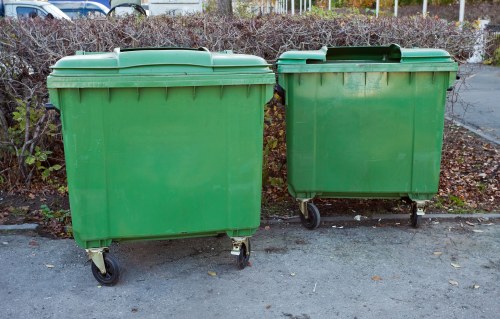
Waste removal is useful for a wide range of London customers. Homeowners often need help during a move, renovation, or spring clean. Tenants may need to clear out furniture before the end of a tenancy. Landlords and letting agents may need an empty property prepared quickly between occupants. Tradespeople and builders often need reliable disposal support once a project is under way or completed. Shops, cafés, offices, and small warehouses also benefit from a service that can remove clutter and keep premises tidy.
For residents in flats and maisonettes, a key benefit is convenience. Carrying bulky items down stairwells or through communal entrances can be difficult, and in some cases impossible without help. A local team can manage the lifting and loading for you, reducing physical strain and saving time. For commercial customers, the main priority is often continuity: waste needs removing efficiently so staff can keep working and the premises can stay presentable.
Some customers come to this service because they have a specific one-off task, while others need repeat collections during a refurbishment, clearance programme, or ongoing business operation. In both cases, the service should be adaptable. The best approach is one that reflects the scale of the job rather than trying to force every customer into the same routine.
What is included in a professional clearance

A professional rubbish removal or waste clearance service typically covers the lifting, loading, and disposal of unwanted items from your property. In many cases, this can include household junk, bulky furniture, white goods, bagged waste, light construction debris, and garden refuse. Depending on the job, it may also include a sweep-up after the removal so that the area is left tidy and ready to use.
Typical items collected may include:
- Old sofas, beds, mattresses, tables, chairs, wardrobes, and cabinets
- Broken appliances such as fridges, freezers, washing machines, and microwaves
- Office furniture, filing cabinets, desks, and unwanted equipment
- Garden waste including branches, soil, hedge cuttings, and shed contents
- Builders’ waste such as bricks, tiles, plaster, wood, and packaging
- General household clutter, bags of rubbish, and mixed unwanted items
Some items need special handling, and it is important to mention them when requesting a quote. That includes hazardous materials, electrical items, heavy rubble, or waste with unusual access requirements. Being upfront helps the team bring the right vehicle, labour, and disposal method for the job.
How waste removal in London usually works
The process should be straightforward. You contact the company, describe what needs removing, and share any useful details about access, parking, floor level, quantity, and item type. If photos are requested, they can help the team assess the job more accurately. This is especially useful for larger clearances or mixed waste where volume is not always easy to judge from a description alone.
Once the job is assessed, a suitable time is arranged. In London, this step matters because traffic, congestion charges, loading limits, and building access windows can all affect timing. A local team can plan for these factors more effectively than someone unfamiliar with the area. On the day, the crew arrives, confirms the items to be removed, loads the waste, and clears the area. If there are items you want to keep, these should be separated clearly before work begins.
After collection, the waste is taken to the appropriate facility for sorting and disposal. Where possible, reusable and recyclable materials are separated from general rubbish. This is one reason many customers prefer a professional clearance service rather than handling everything themselves. It is not just about moving the items; it is about dealing with them responsibly and efficiently.
Home waste removal for London properties

Homes across London generate many different kinds of waste, especially during life changes. Moving house often uncovers items that have been stored for years and are no longer wanted. Renovations create old fixtures, broken fittings, and packaging. A loft clear-out may uncover boxes, furniture, toys, books, and general clutter that has built up over time. A cellar or garage may be full of items that are hard to move alone. For these situations, home waste removal offers a practical way to regain space quickly.
London homes also come with access challenges that can make DIY disposal more tiring than expected. A third-floor walk-up in Peckham, a basement flat in Brixton, or a mews property in Kensington may each require careful planning. A local team can handle the heavy lifting and move items through narrow spaces without putting you at risk of strain or injury. That can be especially helpful if you are dealing with large furniture, appliances, or multiple bags of mixed rubbish.
For families, homeowners, and tenants, this type of service can be a simple way to prepare for new furniture, a cleaner move-out, or a better use of the space you already have. If you are clearing one room or several, it helps to have a service that can scale to the job rather than asking you to manage it all alone.
Common household clearance situations
- End-of-tenancy clear-outs
- Pre-sale or pre-let property clearing
- De-cluttering before renovation
- Removing old furniture after delivery of replacements
- Clearing lofts, basements, garages, and sheds
Office and commercial waste removal

Commercial waste removal is often about keeping business moving while space is cleared efficiently. Offices may need old desks, chairs, pedestals, IT equipment, storage units, and packaging removed after a move or internal reconfiguration. Shops may need shelving, display fixtures, stock waste, or backroom clutter taken away. Hospitality venues may need help with broken furniture, packaging, and general non-food waste after refurbishment or seasonal changes.
For commercial customers in London, timing is especially important. A job may need to happen early in the morning, after closing time, or during a narrow access window to avoid affecting staff, visitors, or customers. In central areas such as Holborn, Westminster, and the Strand, a well-planned collection can reduce disruption and help keep the business area clean and presentable.
Many companies also need regular or phased clearances rather than a single collection. This can apply during office refits, end-of-lease departures, stockroom reorganisations, or fit-out works. If your business needs flexibility, choosing a local team is useful because schedules can often be adjusted more easily around operational needs.
What businesses often ask for
- Office furniture removal
- Shop clearance after refurbishment
- Stockroom and storage unit clearing
- Light demolition waste collection
- End-of-lease and move-out clearances
Garden, builders’, and mixed waste
London properties do not only generate indoor waste. Gardens, yards, driveways, and building sites all produce waste streams that need handling properly. Garden waste may include cut branches, grass cuttings, soil, planters, old fencing, broken sheds, and general outdoor clutter. Builders’ waste may include timber, plasterboard, tiles, rubble, packaging, and mixed debris from renovation work. Both types can be awkward to move and difficult to fit into ordinary domestic bins.
For smaller renovation projects, the service can save considerable time because you do not have to make multiple trips or wait for a skip to be filled and collected. That can be useful where street space is limited or permits are a concern. In parts of London where on-street space is at a premium, a quick collection can be far more practical than placing a large container outside for several days.
Mixed waste is common during clear-outs and refurbishments. A single load may include furniture, packaging, soft furnishings, timber, and general rubbish. A flexible removal team should be able to assess mixed items on site and take the right approach. If you are not sure whether your waste is suitable for collection, it is always best to ask before booking so there are no surprises on the day.
Why choosing a local London company helps
London is not one uniform area. What works in Wimbledon may not work in Whitechapel. A local company understands that different boroughs, roads, estates, and building types create different access issues. That can make a noticeable difference to the speed and smoothness of the job. It also helps with practical matters such as traffic patterns, parking pressures, and the time needed to move items from the property to the vehicle.
Local waste removal in London is often more responsive because the team knows the city’s layout and daily realities. If you are in a busy zone near a high street, close to a station, or on a narrow residential road, local experience can help the team prepare properly. That means fewer delays, better communication, and a clearer idea of what the job will involve.
Customers also tend to appreciate a service that feels personal and straightforward. A local team can often answer questions about access, waste type, and collection timing more clearly because they deal with London properties every day. That practical familiarity is valuable whether you are clearing a one-bedroom flat in Finsbury Park or a commercial unit in Hammersmith.
What affects pricing and quotations
Every clearance job is different, so quotes are usually based on a few key factors rather than a one-size-fits-all figure. The amount of waste matters, as does the type of waste. Heavy builders’ waste generally requires different handling from bagged household rubbish or a few pieces of furniture. Access also makes a difference. A ground-floor collection with easy parking will usually be simpler than a top-floor flat with no lift and limited loading options.
Other factors can include the number of crew members needed, the time required on site, and any special sorting or disposal needs. If your property is in a location with restricted parking or loading, that may affect planning too. In some cases, the speed of booking is important, especially when dealing with tenancy deadlines, moving dates, commercial handovers, or building schedules.
For the best quotation, provide as much detail as possible. A clear description, a few photos, and notes on parking or building access can help create a more accurate estimate. This saves time and reduces the chance of misunderstandings. If you are unsure whether your job is small, medium, or large, a local team can usually help you work that out before the visit.
Helpful information to share when enquiring
- Type of waste and approximate amount
- Property type and floor level
- Parking or access restrictions
- Preferred collection date and time window
- Any heavy, bulky, or unusual items
How to prepare for collection day
Good preparation can make waste removal quicker and easier. If possible, separate the items you want removed from the items you want to keep. This is particularly important in homes where clutter has built up in shared spaces or storage areas. Clear routes to the items if you can, especially in hallways, kitchens, communal entrances, and garden paths. If waste is inside cupboards, lofts, or sheds, try to make those items easy to identify.
You do not usually need to move everything outside before the team arrives unless you have been asked to do so. In fact, part of the benefit of a proper service is that the team can lift and move items for you. However, it helps to make the area as accessible as possible. If you live in a block with a concierge, estate management, or loading restrictions, it is wise to plan these details in advance.
If the collection is for a business, tell staff who will be on site and which areas should be cleared first. If there are sensitive spaces, shared corridors, or areas with customer traffic, let the team know before arrival. A little preparation supports a smoother job and helps avoid delays.
Simple preparation checklist
- Identify all waste you want collected
- Keep valuable or reusable items separate
- Make note of access codes, loading rules, or building procedures
- Check if parking restrictions apply near the property
- Tell the team about any heavy or awkward items in advance
Areas covered across London
Waste removal services are useful across the capital, from inner boroughs to outer residential districts. Local customers may need collections in places such as Camden, Islington, Hackney, Tower Hamlets, Southwark, Lambeth, Wandsworth, Kensington and Chelsea, Westminster, Hammersmith and Fulham, Brent, Ealing, Haringey, Newham, Lewisham, Greenwich, Croydon, Barnet, Richmond, and beyond. Different areas bring different logistics, and a local team should be ready to adapt to each one.
Central London jobs may involve limited parking, busy roads, and building access controls. Inner London collections often involve terraced streets, converted flats, and tighter loading options. Outer borough jobs may have larger homes, garages, gardens, or more extensive clear-out needs. In every case, the same practical principle applies: the service should be set up to suit the property and the access available, not the other way around.
If you are unsure whether your area is covered, it is worth asking when you enquire. In most cases, the right team will be able to advise quickly on availability and the most suitable way to handle your collection.
What makes a good waste removal service
Customers usually want a service that is efficient, tidy, and easy to deal with. That means clear communication before the job, a sensible arrival window, careful handling on site, and responsible disposal afterwards. It also means the team should be realistic about what they can take, rather than promising everything without checking the details. A trustworthy service should explain any restrictions clearly so you can plan properly.
Signs of a useful local service include:
- Clear information about what is included
- Flexible collection options for homes and businesses
- Experience with London access and parking issues
- Careful lifting and loading in shared spaces
- Practical communication and easy booking steps
It is also helpful when the team is able to handle both small and larger jobs. Some customers only need a few bulky items removed. Others need a full property cleared. A flexible provider can adapt to either situation without making the process more complicated than it needs to be.
Frequently asked questions
Can you remove waste from flats and upper floors?
Yes, most waste removal jobs in London involve flats, maisonettes, or multi-storey buildings. Access details are important because stairs, lifts, and communal areas all affect planning.
Do I need to sort the rubbish first?
Not always. Many customers have mixed waste, and that can usually be handled as part of the collection. If you have items that should be kept separate, it is helpful to identify them before the team arrives.
Can commercial waste be collected outside normal working hours?
Depending on availability and access, some business collections can be arranged around working hours or building restrictions. This is especially useful for offices, shops, and hospitality venues.
What if I only have a small amount of waste?
Small collections are common. Whether it is a few items of furniture, some bags of rubbish, or a single room clearance, it is worth asking for a quote because many services can adapt to smaller jobs as well as larger ones.
Will the area be left tidy afterwards?
A professional service should aim to leave the cleared space tidy once the waste has been removed. The exact level of clean-up can depend on the job, but a basic sweep-up is often part of the service.
Book local waste removal with confidence
If you need waste removal in London, the easiest way to start is to gather a quick description of the items you want removed and the access details for your property. From there, you can request a free quote and arrange a collection that fits your schedule. Whether the job is a flat clearance, office clean-out, garden tidy-up, or builders’ waste collection, a local team can help keep the process simple and efficient.
What matters most is choosing a service that understands London properties, respects your time, and can handle the practical side of the job without unnecessary hassle. That includes planning for narrow roads, limited parking, stair access, controlled entrances, and the varied needs of homes and businesses across the city.
If you are ready to clear space and move the job forward, contact us today, request a free quote, or book your service now. A straightforward collection can make a big difference to how quickly you regain a clean, usable space.